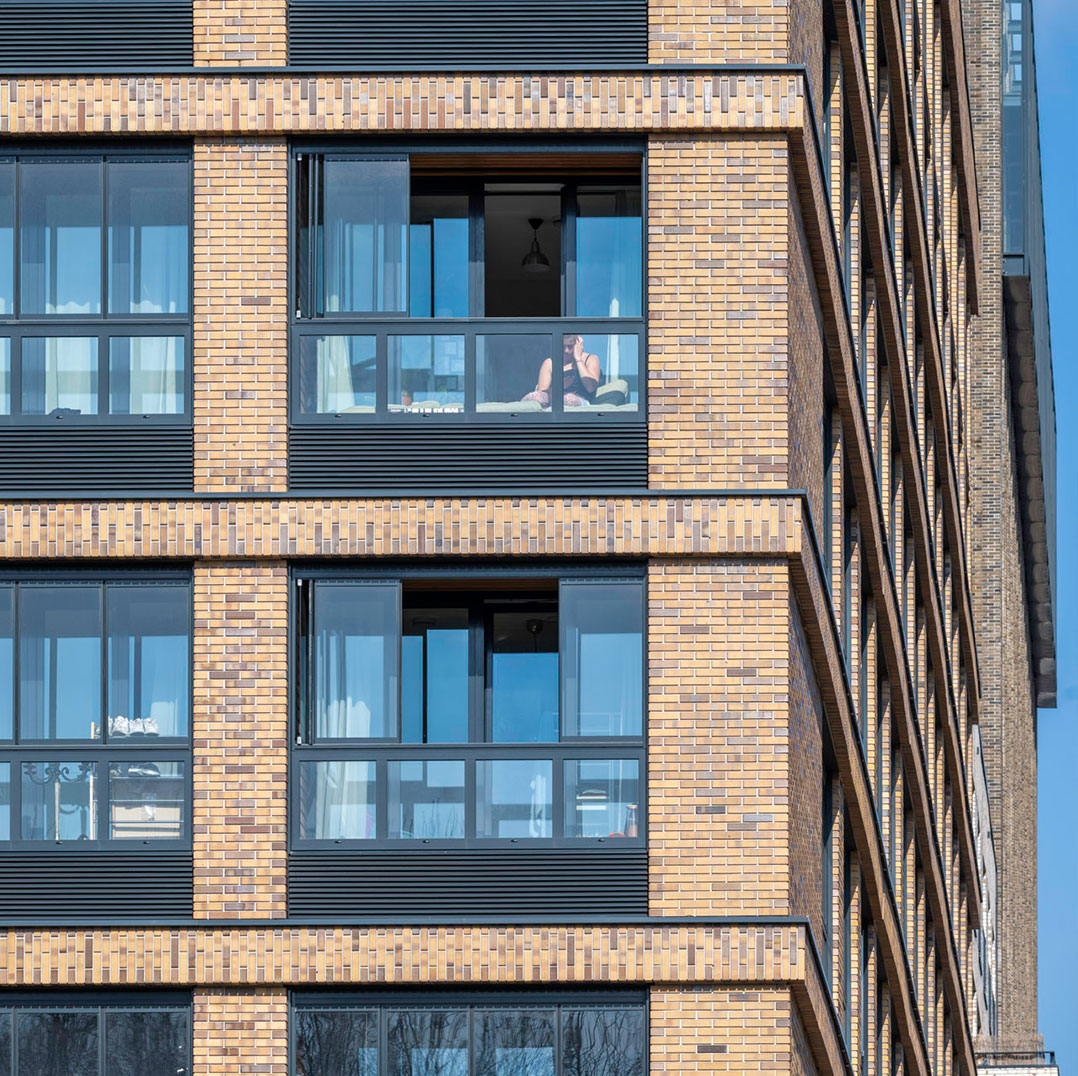
U-value calculations for glazing
U-values Balcony Glazing
U-values Highline
U-values Highline

Not all U-values are the same. How to ensure your glazing performs

When it comes to communicating the energy efficiency of a building, U-values are, it seems, the stars of the show. Minimum requirements are quoted in Part L of the Building Regulations, they’re referenced in architectural specifications and they’re listed in product data sheets with their W/m²K tagging along behind. 

But while U-values provide useful information for a construction project, it’s also important to realise that they don’t tell the whole story. In fact, a single U-value on its own can actually be misleading. This is certainly the case when it comes to glazing, and it could mean  the difference between a building with excellent thermal performance and a structure that doesn’t meet minimum standards for thermal efficiency.

So, how do you make sure that your glazing performs as intended - not just in theory but in reality too? Let’s take a closer look at U-values: what they are, how they work, where problems can occur and how to ensure you have the right glazing for your project.

Understanding U-values and what they really mean for glazing

A U-value measures thermal transmittance - that is, how well something acts as an insulator, preventing heat from passing through. U-values are measured in W/m²K or Watts per square metre per degree Kelvin, and the lower the value, the better the thermal performance. They are also the inverse of R-values, which measure thermal resistance.

By choosing glazing with low U-values, you can minimise the amount of heat escaping from the building, thereby cutting energy costs, reducing operational carbon and improving comfort for occupants during the cold winter months.

For glazing, however, assessing energy efficiency is not quite as simple as checking just one number. Different components of a window, or glazed unit, can be measured separately or for the complete unit. Here’s what to look for:

  • Uw – This is the U-value of the complete window unit, including the frame, glazing, edge spacers and seals.
  • Ug – This is the U-value of the glazing only. It is also known as a centre-pane measurement.
  • Uf – This is the U-value of the frame and sash components only.

The Uw-value gives the most realistic indication of what’s going into a building. However, Ug-values are often quoted out of context - because glazing has a lower thermal transmittance than frame materials, the Ug value makes a glazing system appear more efficient than it really is. The U-value comparison chart below demonstrates how Uw-values and Ug-values can differ.

Comparing typical Uw-values and Ug-values for high-performance glazing
  Typical Uw-values (W/m²k) Typical Ug-values (W/m²k)
Coated double-glazing 1.5–1.2 1.4–1.0
Coated triple-glazing 1.0–0.7 0.9–0.5


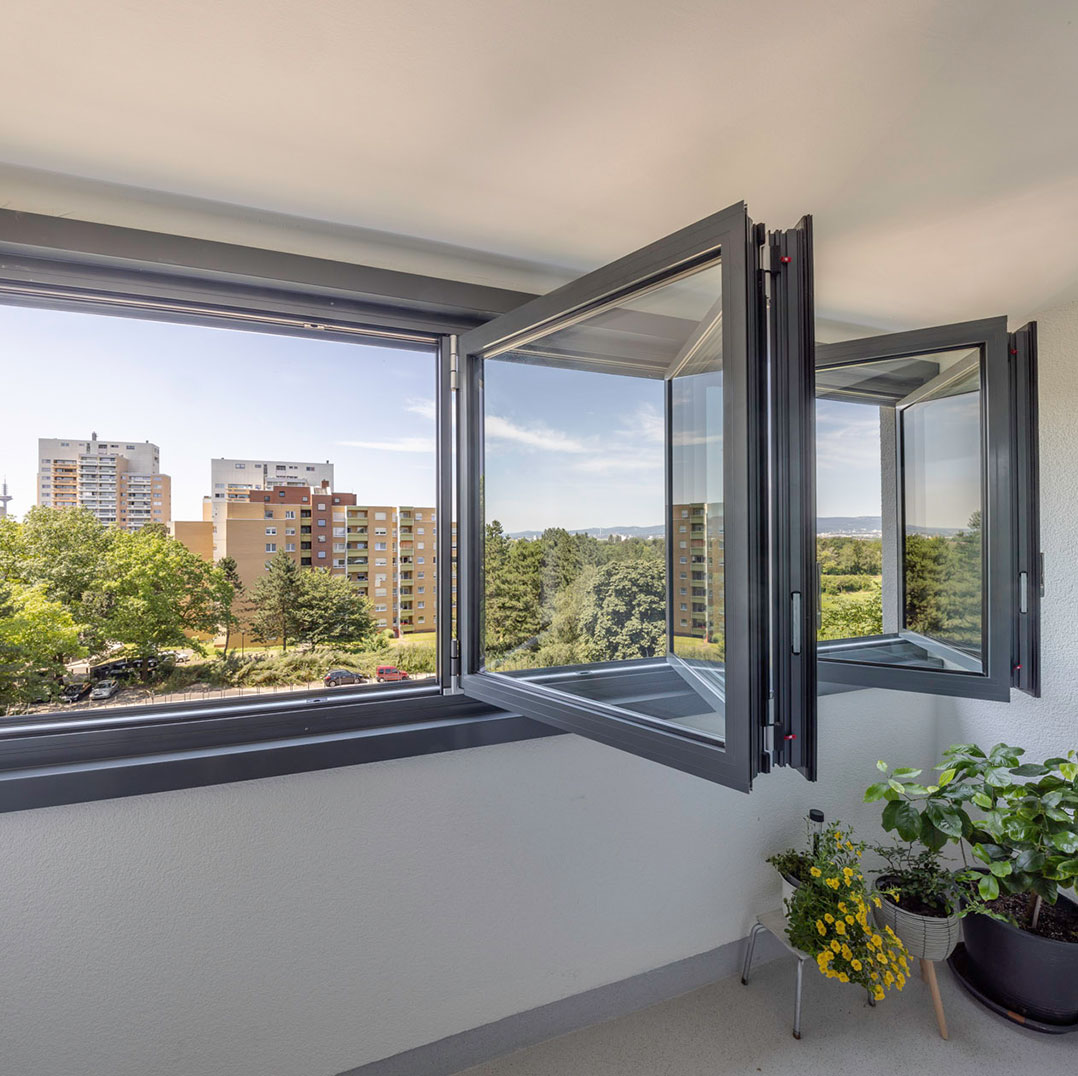
Uw-values for glazing can vary dramatically, depending on the type of glazing used, as well as how the frame, sashes and seals are constructed. For comparison, older single-glazed windows typically have Uw-values between 5 and 6W/m²K, while modern windows usually have Uw-values of 1.6W/m²K or lower. The Cero III triple-glazed windows from Solarlux typically achieve Uw-values of around 0.8W/m²k.

While not directly related to U-values, there are also g-values to consider - don’t get these mixed up with Ug-values. The g-value describes how well the glazing protects against solar gain. Although solar gain may help to keep a home warmer in the winter, it can also increase the risk of overheating in the summer.
 

U-values SL25
U-values SL25

Not all U-values are created equal

With so many measurements to consider, it’s easy to see how U-values for windows and other glazing systems can be misunderstood or misrepresented, potentially leading to under-specified glazing.

For example, if a manufacturer advertises a product with a U-value of 0.7 W/m²K, it sounds impressive. But, if that’s actually a Ug-value, rather than a Uw-value that’s been tested according to ISO 10077-1:2017 (Thermal performance of windows, doors and shutters - Calculation of thermal transmittance), then the number only relates to the glazing and excludes the effects of a thermally weaker frame, sash or seals. 

Those small details can make a difference, raising the Uw-value significantly and reducing the overall thermal performance of the glazing and the building. And this is where confusion and potential project setbacks can occur.

From theory to reality: ensuring whole-system performance

As is so often the case, numbers on paper don’t always align with real-world results. In the case of glazing for wintergardens, bifolding doors, sliding windows and other elements, variables such as seals, spacers, installation quality, air tightness, orientation and shading can all impact performance. That’s why a whole-system approach is best.

Justin Spires, technical lead at Solarlux UK, explains: “It’s essential to understand what a U-value represents, how it was calculated and what it includes. At Solarlux, we design and test our products as complete units, and we focus on real-world performance, because that’s what ultimately matters for achieving energy efficiency, comfort and compliance.”

What to ask when specifying glazing systems

To help prevent misunderstandings and avoid specifying the wrong product, be sure to ask for clarification whenever more information is needed, and always be sure to ask:

  • Is this U-value a centre-pane or whole-unit calculation?
  • Was the U-value calculated according to ISO 10077?
  • Was the U-value tested independently?
  • Does the figure account for spacers, seals and installation detailing?
  • What will the orientation of the glazing be?
  • How will this product perform in situ?

The product manufacturer should also be able to provide you with detailed product data to help you determine if the product is right for the project requirements.

Ensuring glazing performance with Solarlux

Misinterpreting or oversimplifying glazing U-values is a common mistake when it comes to specifying glazing. But with the right partner, it’s easy to avoid.

At Solarlux, our energy-efficient glazing systems are engineered for real-world performance, not just theoretical values.

Our glazing systems are all engineered, tested and certified to meet or exceed the requirements of the Building Regulations, including Part L. They are also frequently specified for projects aiming to achieve the Passivhaus standard.

Get in touch
To find out more about Solarlux glazing systems, or to discuss your project in more detail, please contact a member of our team. We’ll be happy to answer your questions and provide advice and guidance on specifying the right glazing for your requirements.