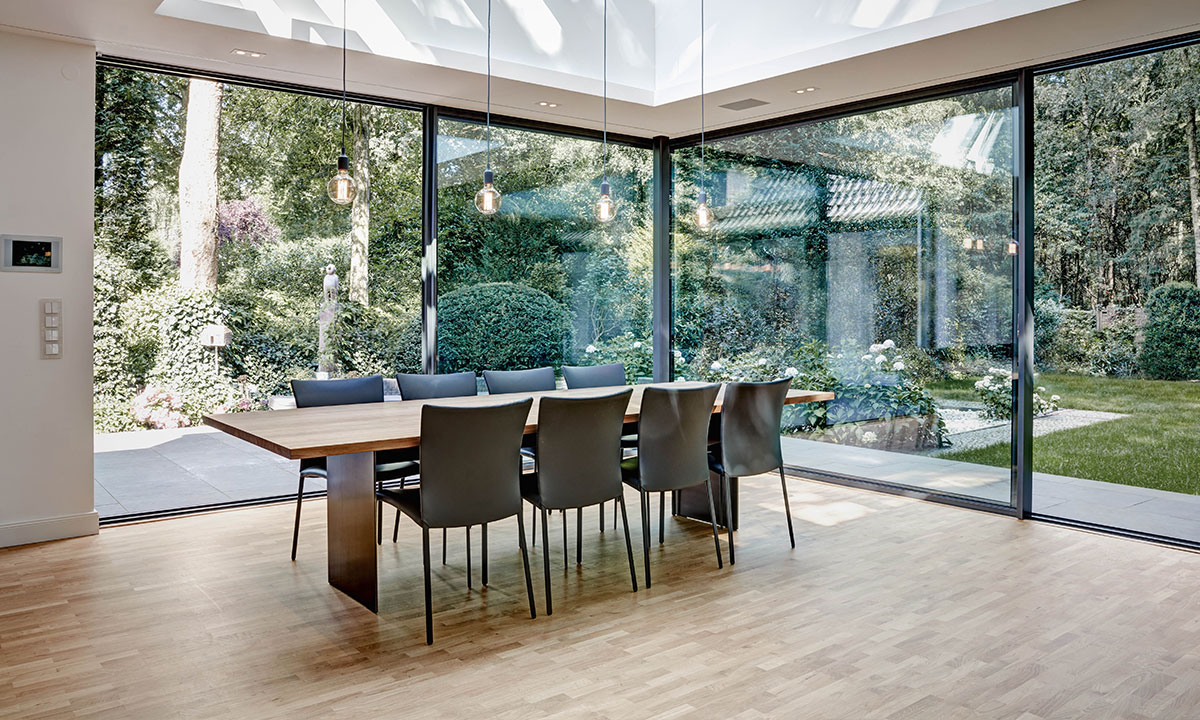
Energy efficiency guide: Thermal bridging in sliding doors
Thermal Bridging Sliding Doors

Thermal bridging explained: how high-performance sliding doors improve energy efficiency

Whether a project involves a new build or a renovation, energy efficiency is a key consideration when specifying sliding doors. The thermal performance of the building envelope – including insulation, airtightness and the control of thermal bridging – plays an important role in reducing heat loss and energy bills, while improving occupant comfort and wellbeing.

Building regulations across the UK take a fabric-first approach to energy efficiency. In England, the current framework includes Approved Document L: Conservation of Fuel and Power; the Future Homes Standard is due to introduce further requirements from 2027. Scotland, Wales and Northern Ireland have their own standards. Across the UK, these requirements prioritise thermal performance to reduce heat loss and support net-zero goals.

Glazing systems, including sliding doors, bifold doors, windows and glazed walls, play an important role in the thermal performance of the building envelope. Poor specification or inadequate installation detailing can create thermal bridges, contributing to heat loss and increasing the risk of condensation. Specifying high-performance sliding doors can help to minimise these effects without compromising on aesthetics, daylight or indoor-outdoor living.
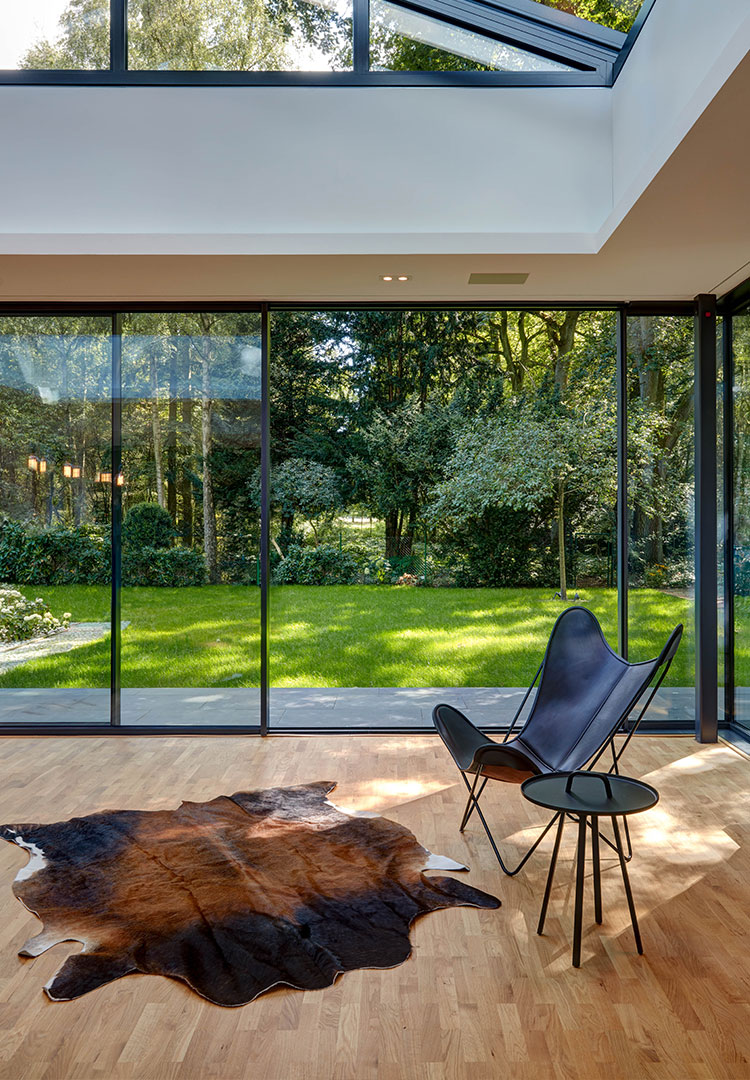
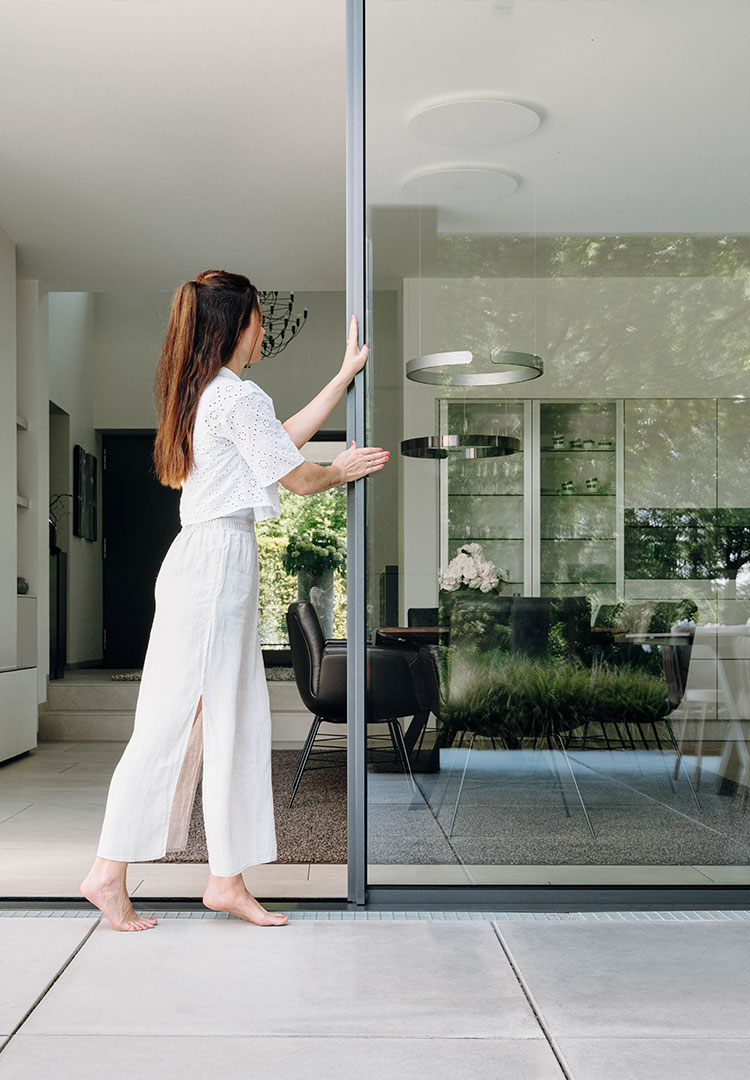
Thermal Bridging Sliding Doors Interior Out

What is thermal bridging?

Thermal bridging is the unintended transfer of heat through a localised part of the building envelope. Justin Spires, technical lead at Solarlux, explains that it typically occurs where materials with different thermal conductivities meet. “Common examples include junctions between floors, walls and roofs. Thermal bridging can also occur in sliding doors and other glazing systems,” he says.

Because thermal bridging allows heat to escape more easily, it reduces thermal efficiency, increases energy demand and reduces occupant comfort. Thermal bridges can also increase the risk of condensation, which can contribute to problems such as damp, mould and mildew.

Justin notes that in sliding doors, thermal bridging can occur at the interface between frames and the surrounding structure, as well as through the frame itself. “Since aluminium is a highly conductive material, aluminium glazing profiles can create a pathway for heat loss if they aren’t thermally broken,” he says.

“A thermal break is an insulating barrier between the internal and external sections of the aluminium frame. This interrupts the conductive path, reducing heat transfer through the frame and improving the overall thermal performance of the sliding door system,” he adds.

How do high-performance sliding doors reduce thermal bridging?

Large glazed openings such as sliding doors can present challenges for thermal performance as they combine extensive areas of glazing with slim frame profiles and interfaces between different building materials.

Justin points out that thermally broken sliding doors are designed to minimise thermal bridging through a combination of advanced frame design and high-performance glazing.

  • Advanced frame design – “Aluminium profiles can be designed with thermal breaks and insulating chambers that interrupt heat transfer between the internal and external sections of the frame,” he explains.

  • High-performance glazing – “Double- and triple-glazed units are designed to reduce heat transfer through the glazed area. Warm-edge spacers can be used to reduce heat transfer at the edge of the glazing unit,” he says.

Installation and detailing are also important in controlling thermal bridging. Even a precision-engineered sliding door can lose thermal efficiency if it is poorly installed. Maintaining insulation continuity and correctly installing airtightness and weatherproofing products can help to minimise heat loss around the opening.

Reducing thermal bridging: what are the benefits for homeowners and specifiers?

Reducing thermal bridging provides several benefits. For architects and specifiers, it can support compliance with modern building standards; for homeowners and occupants, it can improve thermal comfort.

Improved energy efficiency Reducing thermal bridging helps to minimise heat loss through the building envelope, lowering energy demand and improving thermal performance.
Enhanced thermal comfort By reducing unwanted heat transfer, high-performance sliding doors help to maintain more consistent indoor temperatures for occupants.
Reduced condensation risk Minimising thermal bridging helps reduce cold spots around glazing systems, lowering the likelihood of condensation, which can contribute to damp and mould.
Supporting compliance with building regulations U-values measure how easily heat passes through a building element, such as a sliding door system. A lower U-value indicates better thermal performance. Under the current edition of Approved Document L for England, doors (including glazed doors) in new dwellings have a limiting U-value of 1.6 W/(m²·K).
Long-term value and sustainability Improving the thermal performance of sliding doors can help reduce operational energy demand throughout the life of the building while also supporting long-term durability and occupant wellbeing.

Improving thermal performance: what to look for when specifying sliding doors

When specifying energy-efficient sliding doors, it is important to consider the performance of the whole system rather than any single component. The following measures can help to minimise thermal bridging and optimise thermal performance:

✔ Low U-value

Lower U-values indicate better thermal performance and reduced heat transfer through the sliding door system.

✔ Thermal break technology Thermal breaks interrupt heat transfer through aluminium frames, helping to minimise thermal bridging.
✔ Glazing specification

High-performance double or triple glazing, low-emissivity coatings and warm-edge spacers all contribute to improved thermal performance.

✔ Installation quality and detailing Correct installation helps maintain insulation continuity, airtightness and weather resistance around the opening.
✔ Product testing and certification Verified data on thermal performance, air permeability, watertightness and wind resistance demonstrate that the system has been tested against relevant criteria.
Cero Sliding Doors Thermal Bridging

Achieving energy-efficient sliding door performance through careful specification

As the energy efficiency of homes receives increased scrutiny, thermal bridging is an important consideration when specifying sliding door systems. By combining thermally broken frames, high-performance glazing and careful installation, high-performance sliding doors can help to meet thermal and regulatory requirements without compromising the design intent.

At Solarlux, we provide precision-engineered sliding door systems for new-build and refurbishment projects. Explore our range of sliding door systems, download technical resources or contact our team for specification support and project advice.

At Solarlux, we provide precision-engineered sliding door systems for new-build and refurbishment projects. Explore our range of sliding door systems, download our Sliding Doors Technical Guide, or contact our team for specification support and project advice.

Get in touch
To learn more, you can explore our range of verandas and glass canopies. Or contact a member of our team for expert guidance on your next project.