Orangeries: a homeowner’s guide to modern orangeries
Solarlux Akzent Plus wintergarden Ecoline Bi-Folding Doors
Orangery
Orangery

Orangeries: a homeowner’s guide to modern orangeries

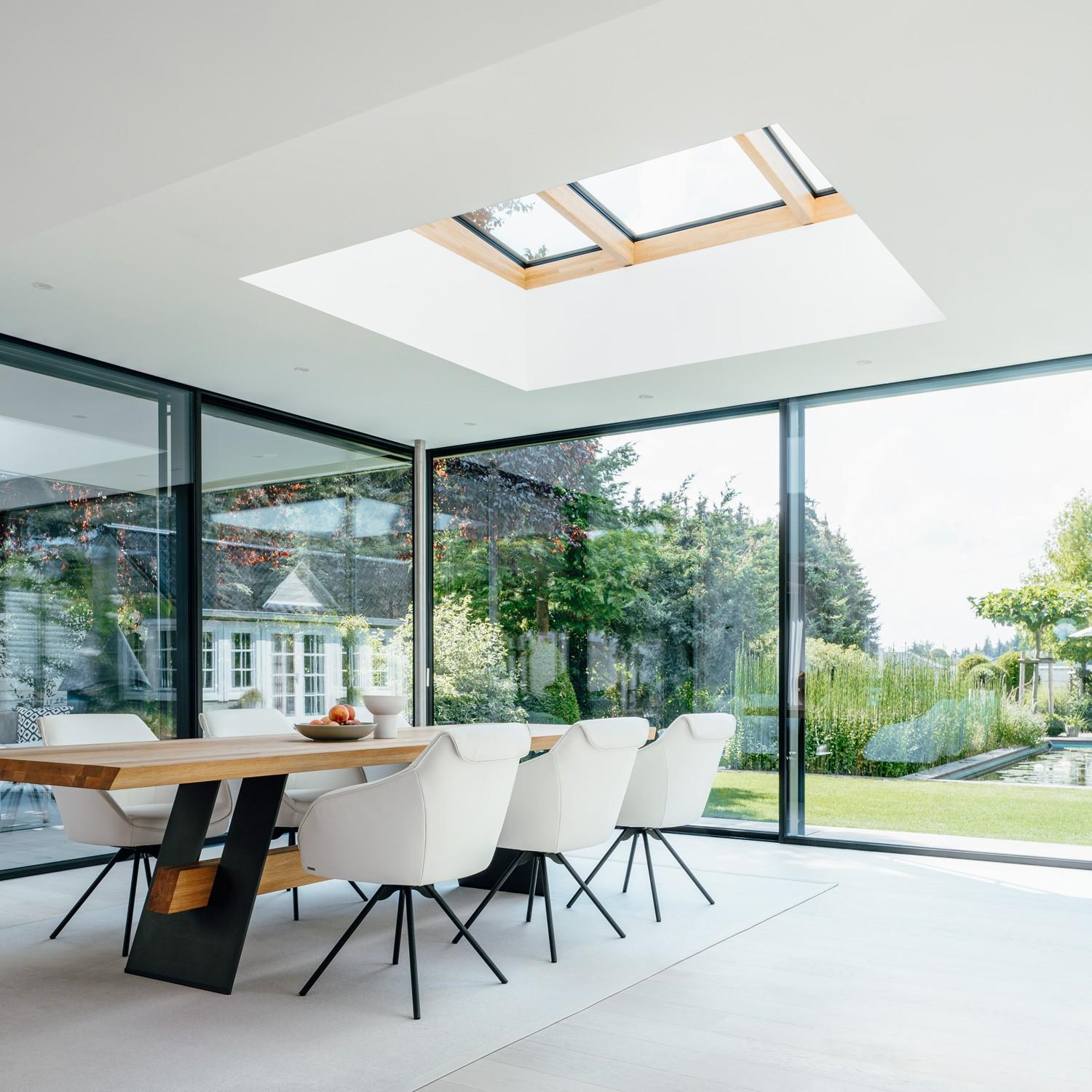
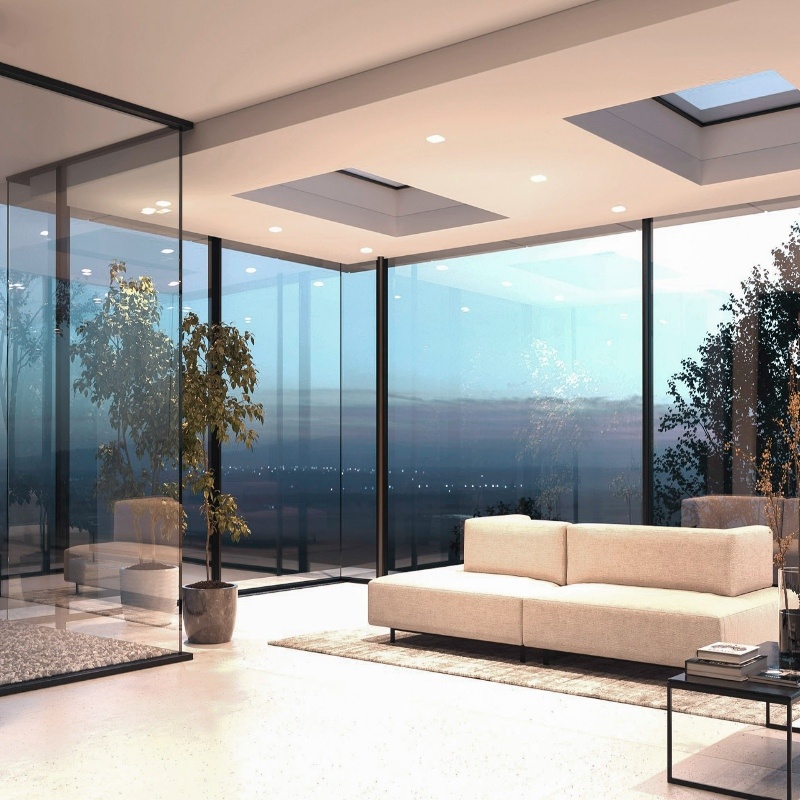
Orangeries are elegant, light-filled spaces designed to blur the line between indoor and outdoor living. In modern homes, they are often used to extend kitchens, dining rooms and living areas, creating large, light-filled spaces perfect for everyday life and entertaining.

Solarlux orangeries combine architectural tradition with high-tech glazing and precision engineering. Individually crafted to fill homes with natural daylight; while also maintaining thermal performance, they can provide style and comfort throughout the year.

In this guide, we explore what defines a modern orangery, how it differs from a conservatory orextension and what to consider when planning one for your home.

What is an orangery – and where did they originate?

Modern orangeries are substantial, light-filled additions that combine solid structural elements with expansive glazing. They are designed to feel like a continuation of the home, while creating a seamless transition to the garden.

Today, they are commonly used as places where people gather, relax and enjoy natural light throughout the seasons.

Orangeries first became prominent in the early 18th century. As their name suggests, these elegant structures were attached to or built alongside grand houses to create a warm, light-filled space for orange trees. While the earliest orangeries were simple, functional spaces, they began to be used for entertaining and leisure. That’s when the designs became more extravagant, with arched windows, elaborate pediments and ornate columns.

Traditionally, orangeries were constructed with stone walls, tall windows and sometimes a partially glazed roof. Many were also enormous. The orangery at Versailles was built to hold 1,000 trees, while the orangeries at Kew and Kensington Palace are both now used as event spaces, each with a fine-dining capacity of 200 people.

Over time, orangeries have evolved to suit a more contemporary style. Modern orangeries usually aren’t as large as their Georgian and Victorian counterparts. Crafted from glass, with an aluminium or wood frame, they have a lighter appearance and cleaner, more minimal sightlines.

Although modern orangeries differ from their predecessors, they maintain the same purpose – to provide an architecturally beautiful space that offers light, warmth and openness.
What is the difference between a modern orangery, a conservatory and a glazed extension?

As orangeries have changed over time, the distinction between orangeries, conservatories and extensions has become less clear. While orangeries were once window-filled, solid structures designed for orange trees, they can now be distinguished by their style, use of glazing and purposeful integration with the rest of the property.

A conservatory is typically a lighter structure with a fully glazed roof and a high proportion of glazing throughout. Traditionally seen as garden rooms, conservatories can feel visually separate from the main house.

A glazed extension is designed as a permanent addition to the home. It usually features a solid roof and greater masonry construction, with glazing used to introduce light and frame views. The aim is often to blend seamlessly with the existing property.

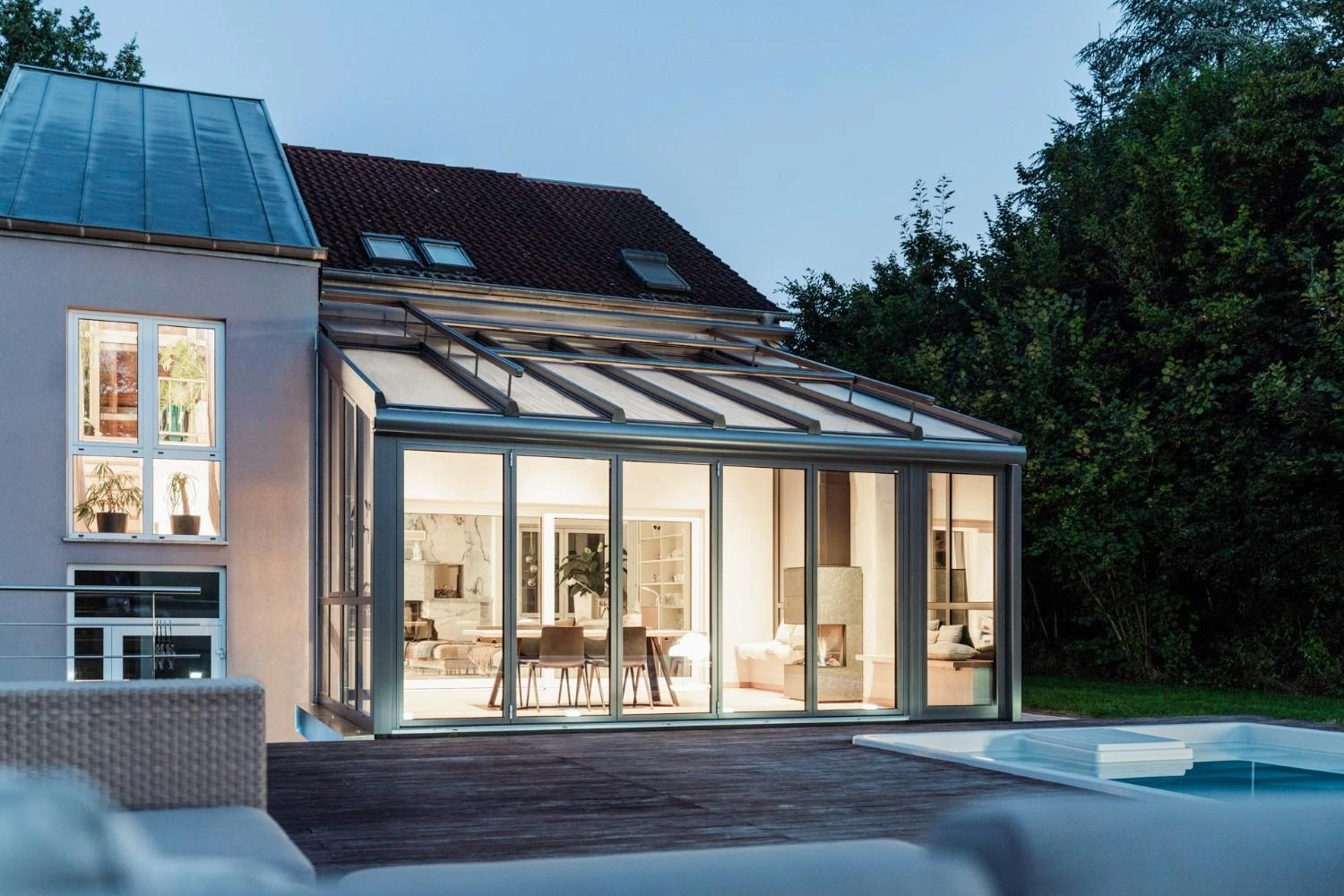
A modern orangery sits somewhere between the two. It combines the architectural integration of an extension with the light-filled quality of a conservatory.

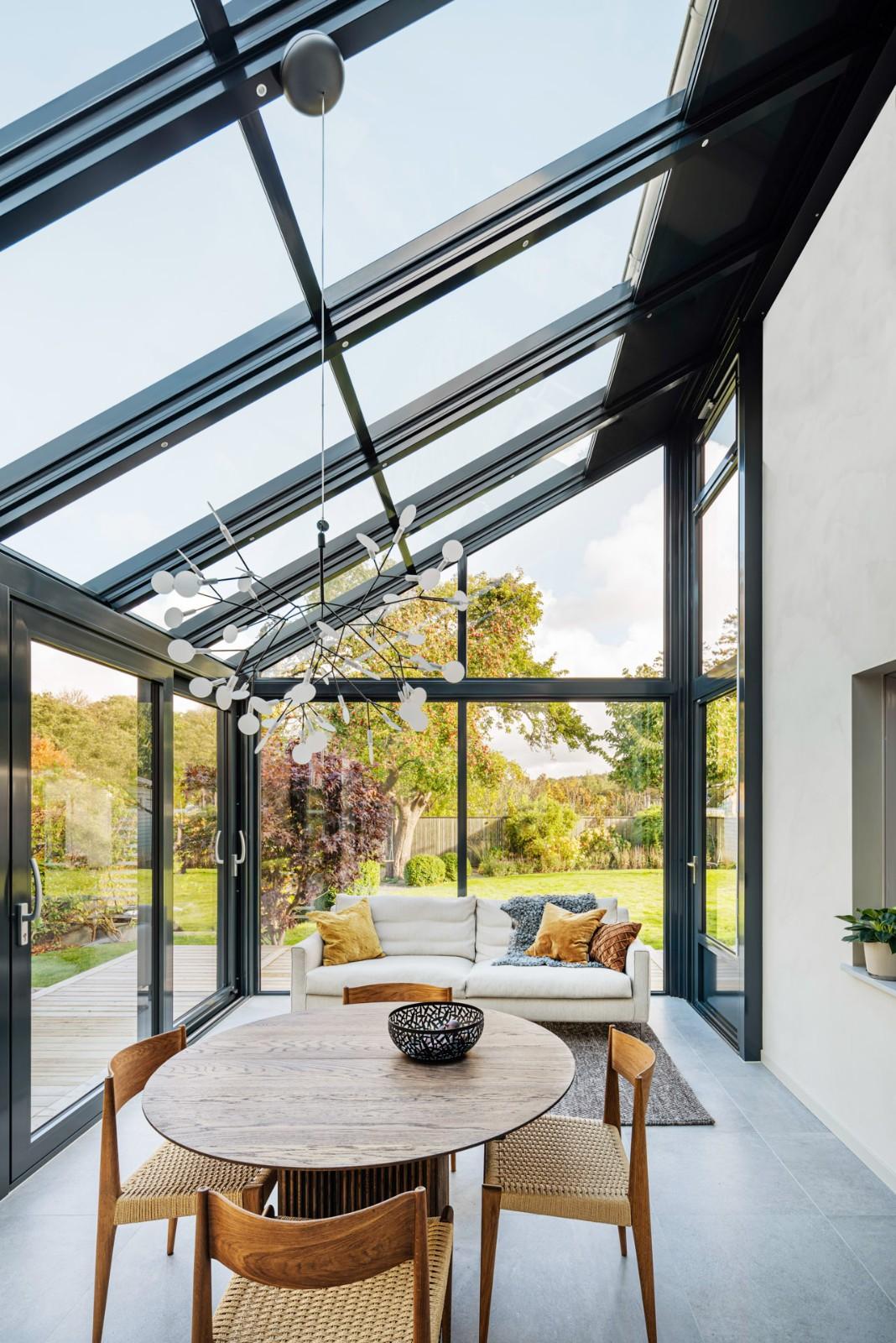
Justin Spires, Technical Manager at Solarlux, explains that Solarlux orangeries provide light-filled spaces that are fully integrated with the rest of the house. “They are crafted entirely from glass with aluminium or timber frames, giving a lighter, more contemporary feel compared to an extension or conservatory. They can include sleek, pitched glass roofs, and often feature sliding glass doors or bifold doors to enhance the connection with the outdoors,” he adds.

Orangery vs a conservatory or extension - what is the difference?

  Modern orangery Conservatory Extension
Structure:      
Glazed Roof
Typical connection to other living areas Wall-separated Open plan Open plan
Typical frame materials Aluminium, timber PVC-u, timber Aluminium, timber or steel
Features and benefits:      
Interior filled with daylight
Panoramic views
Distinct architectural structure
Good thermal performance for year-round usability
Planning considerations:      
Permitted development (depending on project)

Building regulation considerations:

Thermal performance, overheating, ventilation, fire performance, access, structure, security, protection from
collision and impact, acoustic performance


This table is intended to provide general guidance. The characteristics of an orangery, conservatory or glazed extension will vary depending on the manufacturer and the specific project requirements.

Glass orangery extension

What are orangeries commonly used for?

Modern orangeries are often used to extend kitchens and create generous dining and living spaces that feel open and defined.

The strong architectural form of modern orangeries makes them distinct from the rest of the home, while expansive glazing allows natural light to fill interiors.

They are also used as garden-facing lounges, reading rooms or entertaining spaces – rooms that benefit from daylight and views of the outdoors.

Orangery planning permission

Do I need planning permission for an orangery?

Planning requirements depend on the size of the structure and its location.

In many cases, an orangery will fall within permitted development. However, larger additions, those near the border of the property or located in protected areas may require formal planning consent.

Do building regulations also apply? Yes. Orangeries must meet national legislative requirements, such as the Building Regulations (England) or the equivalents in Scotland, Wales and Northern Ireland.

Requirements for structural stability, thermal performance, overheating, ventilation, fire safety, acoustics and security will be subject to location. The project designer, product manufacturer and installer should all be aware of these requirements and work with you to ensure the finished orangery achieves compliance.

Glazing and light management in orangeries

Traditional orangeries used small panes of glass because that’s all that was available at the time. Modern orangeries typically use large-format glazing to enhance the space. This can be in the form of windows, fixed glazed panels, bifold doors or sliding doors that create uninterrupted views of the outside and flood the interior with natural light.

Another difference between traditional and modern orangeries is the roof. While most traditional orangeries have solid roofs, modern orangeries often have pitched roofs or lantern-style glazed roofs to allow in more daylight and increase the connection to the outdoors.

Orangeries are typically south-facing to make the most of the winter sun, notes Justin. “While this can create a beautiful, warm and sun-filled space in the colder months, solar control and shading strategies should be carefully considered to reduce the risk of overheating in the summer,” he adds.

These measures may include:

  • solar-control or low-g glazing
  • external shading or brise soleil
  • integrated blinds
  • careful sizing and positioning of roof glazing

Natural ventilation methods can also be used to reduce the risk of overheating, improve indoor air quality and prevent condensation.

Are orangeries warm enough to enjoy throughout the year?

When designed correctly – with the right glazing, orientation, structural elements and seals – a modern orangery should be just as warm and comfortable as the rest of your home, no matter what the weather is like outside.

Features such as advanced glazing, thermally broken aluminium frames and insulated structural elements mean that modern orangeries offer excellent thermal performance without draughts.

In England and Wales, Approved Document L sets limiting U-values for glazed elements, including roofs, walls, windows and doors. These set limits on heat transmittance through the building envelope. That means that all buildings, even glazed structures, must be able to hold in a certain amount of heat to reduce a home’s carbon footprint and cost of heating. Similar requirements exist in Scotland and Northern Ireland.

U-values for glazed elements
According to Approved Document L (England)

  Modern orangery
Notional value for new dwellings:  
Windows and glazed doors 1.2; Frame factor 0.7 W/(m2·K)
Roof windows 1.2 W/(m2·K)
Rooflights 1.7 W/(m2·K)
Limiting values for new dwellings:  
Windows 1.6 W/(m2·K)
Rooflights 2.2 W/(m2·K)
Glazed doors 1.6 W/(m2·K)
Limiting values for new fabric elements in existing dwellings:  
Windows 1.4 W/(m2·K)
Rooflights 2.2 W/(m2·K)
Doors 1.4 W/(m2·K)


Modern orangeries can also be fitted with heating options such as underfloor heating, radiators or space heaters that help to ensure the space remains usable even in colder months.

For the warmer weather, orientation, roof design, special glazing, ventilation and shading options should all be planned to prevent overheating.

How are modern orangeries built?

Orangeries combine masonry or rendered perimeter walls with high-performance glazing. This creates a sturdy and durable structure that can support large, glazed sections, while still providing natural light and an open feel.

Slim-profile aluminium or timber frames provide strength and durability with minimal visual interruption. These can be tailored to complement both traditional and contemporary homes.

Why choose a Solarlux orangery?

Solarlux designs and manufactures precision-engineered glazing systems, including bifold doors, sliding doors and architectural glazing, which can be used to create modern orangeries, as well as glazed extensions and other garden-facing structures.

Every project is individually planned and designed, ensuring the final space feels integrated, comfortable and built to last.

Justin explains that Solarlux’s bespoke orangeries are designed with long-term comfort, light and quality in mind. “Orangeries can be seamlessly added to a home to create an elegant, comfortable and inviting space. And they feel like a natural extension of the home, rather than an afterthought.”

For design inspiration, technical advice or more information about Solarlux glazing systems, please visit our product pages or speak to a member of our team.

Get in touch
To learn more, you can explore our range of glazed extensions and orangeries. Or contact a member of our team for expert guidance on your next project.