How do glazed extensions add value beyond additional floor space?
Adding any extension to a home will, by definition, increase its floor area. This additional living space can have a positive effect on the property’s value, but the type and quality of the extension will determine the extent of its other benefits. Glazed extensions can offer advantages including increased natural daylight, year-round comfort and a stronger connection between the interior and the garden.
When discussing glazed extensions, there is a natural tendency to assume that the term refers to traditional conservatories. This is understandable because conservatories contain a relatively high proportion of glazing compared with brick-built extensions. However, they typically sit outside the home’s thermal envelope and are often used as seasonal spaces, becoming too cold in winter and too hot during warm summer weather.
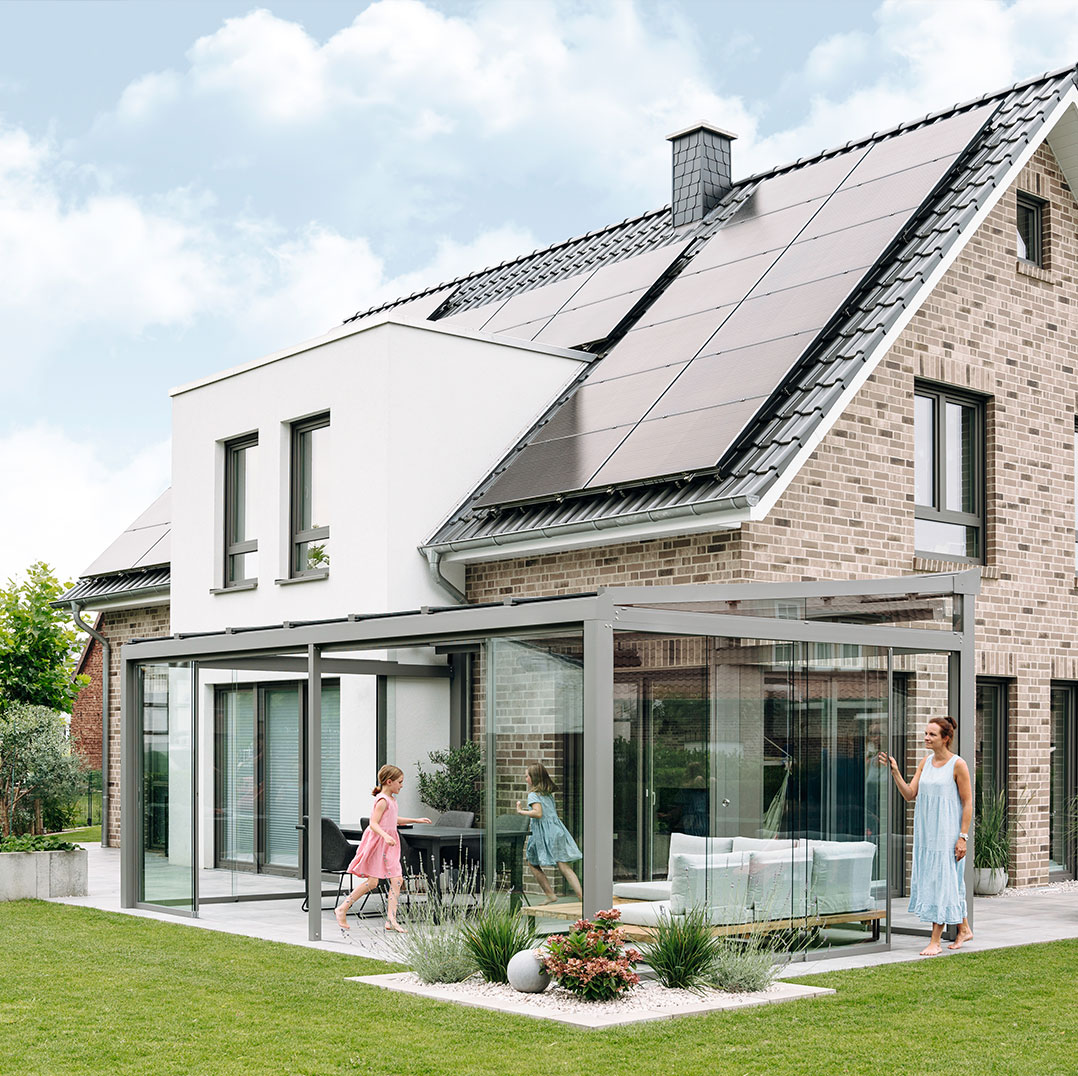
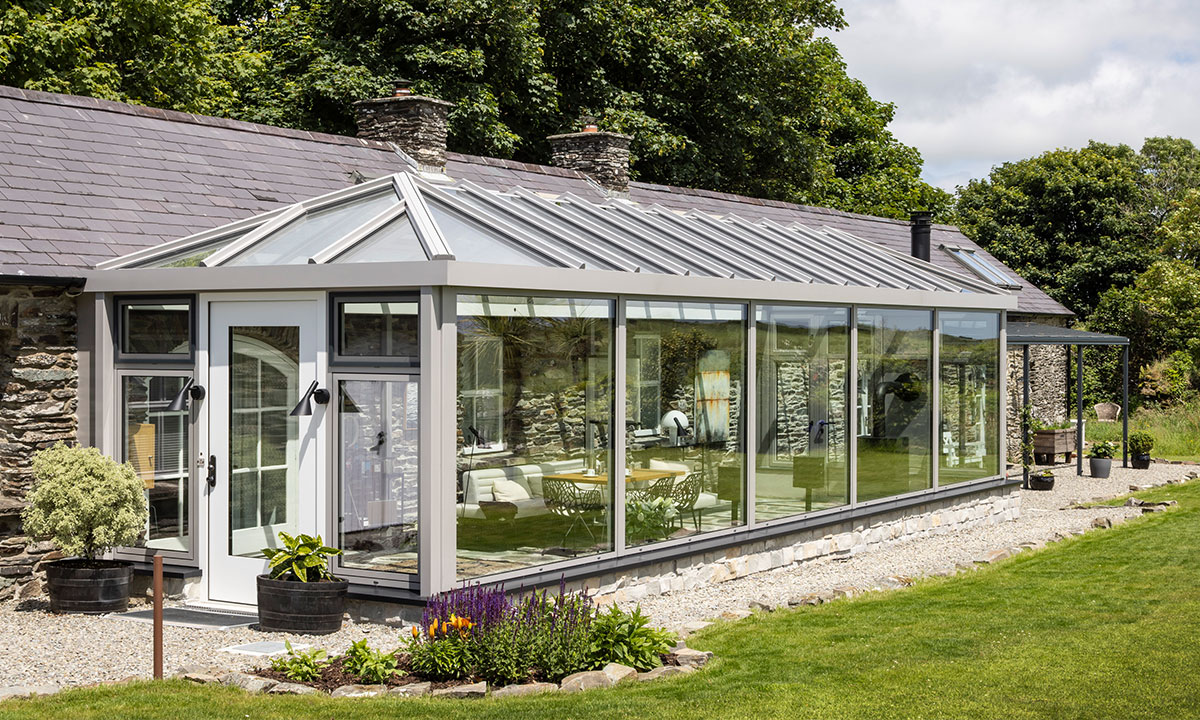
In contrast, a well-designed glazed extension can provide a comfortable addition to the home, creating brighter and more enjoyable living spaces. Modern glazing technology can provide the thermal performance required for use throughout the year, making glazed extensions suitable for kitchens, family rooms, dining areas and garden rooms.
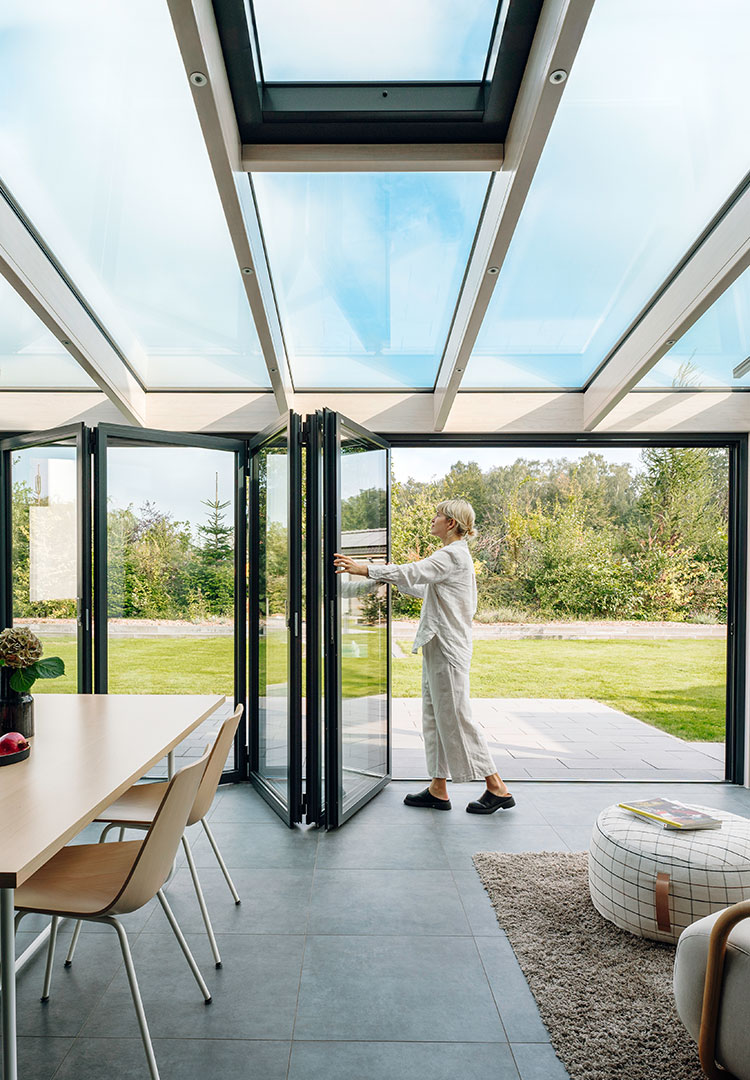
A range of vertical glazing options, including sliding doors and bifold doors, can also enable the space to open directly onto the garden, helping to create a seamless transition between indoor and outdoor living.
With bespoke design options available, glazed extensions can be tailored to suit the homeowner’s lifestyle, architectural style and specific requirements, while providing a versatile and attractive addition to the property. In this blog, we will look at the advantages that glazed extensions can bring to a home when they are well-designed, manufactured and constructed.