
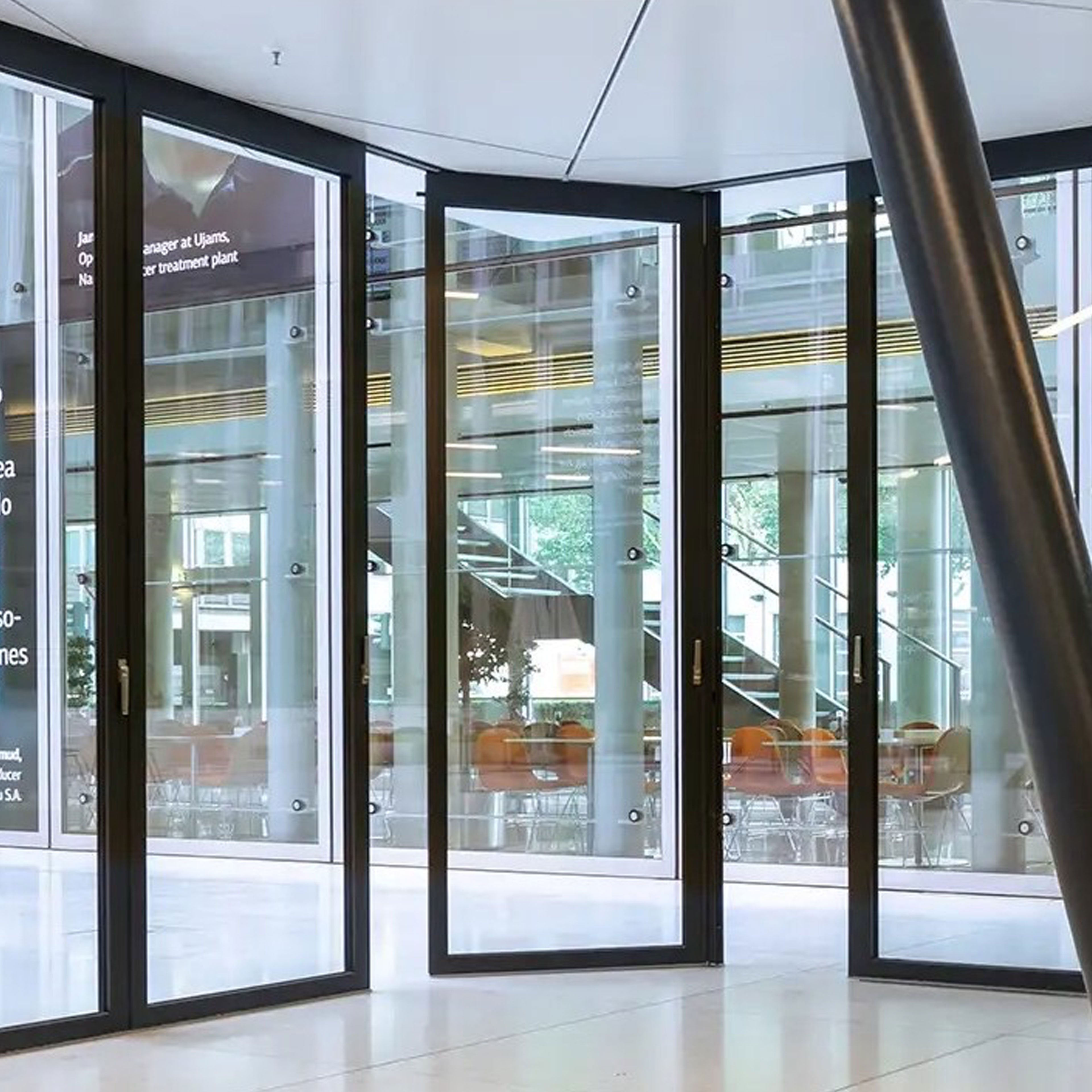
Glass partitions - building regulations Part K and N
Glass Partitions
Glass Partition Flexa

Glass partitions and building regulations: Understanding Part K and Part N

Thanks to their ability to create inviting, light-filled interiors, glass partitions are widely used in a variety of settings – from offices to retail environments, public buildings such as schools and hospitals and leisure settings like hotels and spas. They are also ideal for use in residential applications.

Of course, safety is a critical concern when specifying or installing any kind of glazing, and that's why it's important to ensure compliance with the relevant building regulations, particularly Part K (Protection from falling, collision and impact), as well as its predecessor, Part N (Glazing).

Understanding Part K and N of the Building Regulations

Part K of the Building Regulations sets out the safety requirements for protecting building users from hazards including falls from height, trips and injuries from collisions with glazed surfaces. Requirement K4 is most relevant to glass partitions; it covers protection against impact with glazing.

It’s important to note that ​​building regulations for glass walls in the UK vary in each nation and Part K applies only in England and Wales (and they each have their own version). Similar regulations are also in place for Scotland and Northern Ireland.

Justin notes that Part N (Glazing) was withdrawn in 2013, and much of its content was integrated into Part K. However, he still recommends that specifiers and architects be aware of it. “Part N is often mentioned in older technical documents, design guides and product literature, so it can be useful to have knowledge of its existence and requirements,” he says.

What does Part K say about glass partitions?

With its guidance on safety around glazed features, Part K is a key regulation to consider when specifying glass partitions. Its main points include:

Impact resistance Glazing in critical locations must be made from safety glass that complies with UK safety glass requirements, such as BS EN 12150 or BS EN 14449. While Building Regulations have specific requirements in terms of glazing thickness, the glass must be robust enough to resist likely impacts.
Manifestation If a glazed surface, such as a glass partition, could be mistaken for a clear route, there’s a risk of injury from collision. Approved Document K requires manifestation markings (such as frosting, etching or applied markings) to increase visibility and prevent accidents. Manifestation is also required by Approved Document M (Access to and use of buildings) in relation to access routes.
Critical locations Approved Document K defines “critical locations” as areas where the risk of collision with glazing is higher, and where breakage could cause injury. These include glazing in or near doors (within 1500mm from floor level), glass partitions, walls or panels (below 800mm from floor level); glazing in high-traffic areas such as corridors, stairwells and public entrances; and locations where vulnerable people (especially children) are present.


If you're unsure whether your design will comply with Part K, especially for complex layouts or public spaces, it's a good idea to seek expert advice early on. Building control officers can help ensure the requirements are being met, and you can also discuss your project with the partition manufacturers. Here at Solarlux, our technical team is always happy to help with questions about internal glass partition regulations.

Specifying glass partitions that are Part K compliant

The Flexa glass partitions from Solarlux are designed for beauty, functionality and safety. Made of high-performance glass and aluminium, our glass partitions can be customised to suit specific project requirements. We work closely with our clients to ensure we provide compliant glass partitions across the UK – whether they need to meet the requirements of Part K in England or Wales, the Scottish Building Standards Technical Handbook Section 4 or Technical Booklet D in Northern Ireland.

To find out more about the Solarlux range of glass partition systems, visit our product pages or download the relevant technical documents. You can also contact a member of our team for project-specific technical advice or specification support.