Design inspiration: large sliding doors for modern extensions
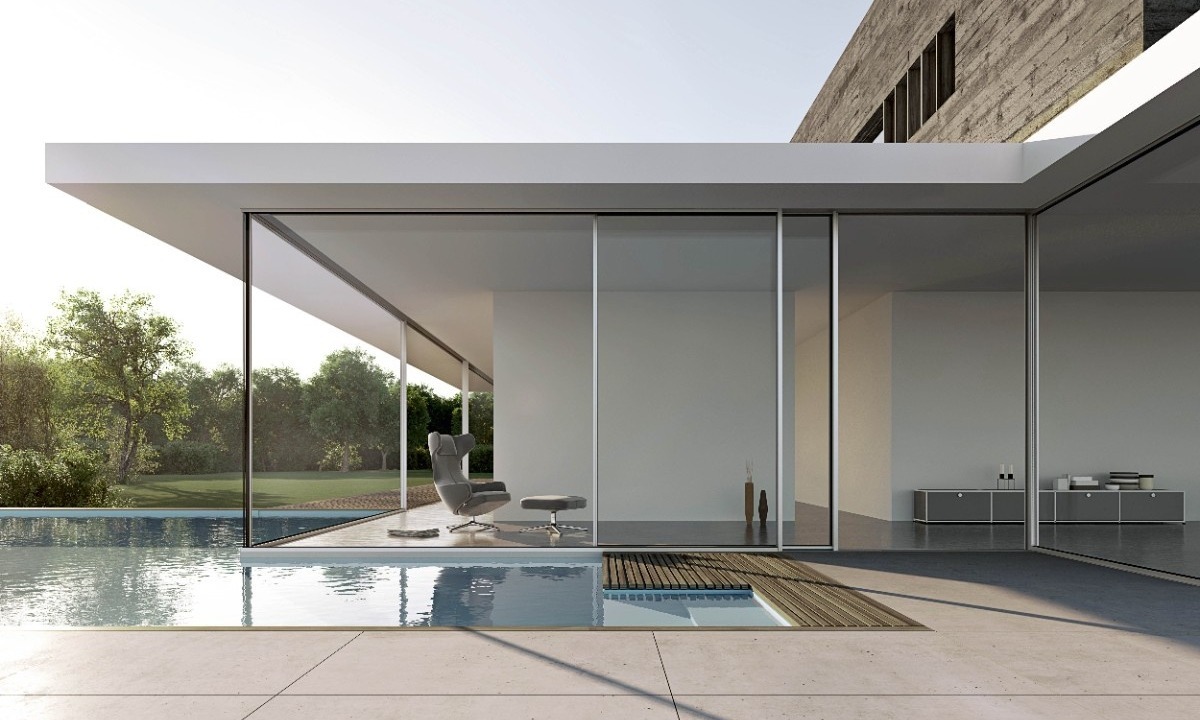
Cero sliding doors large opening
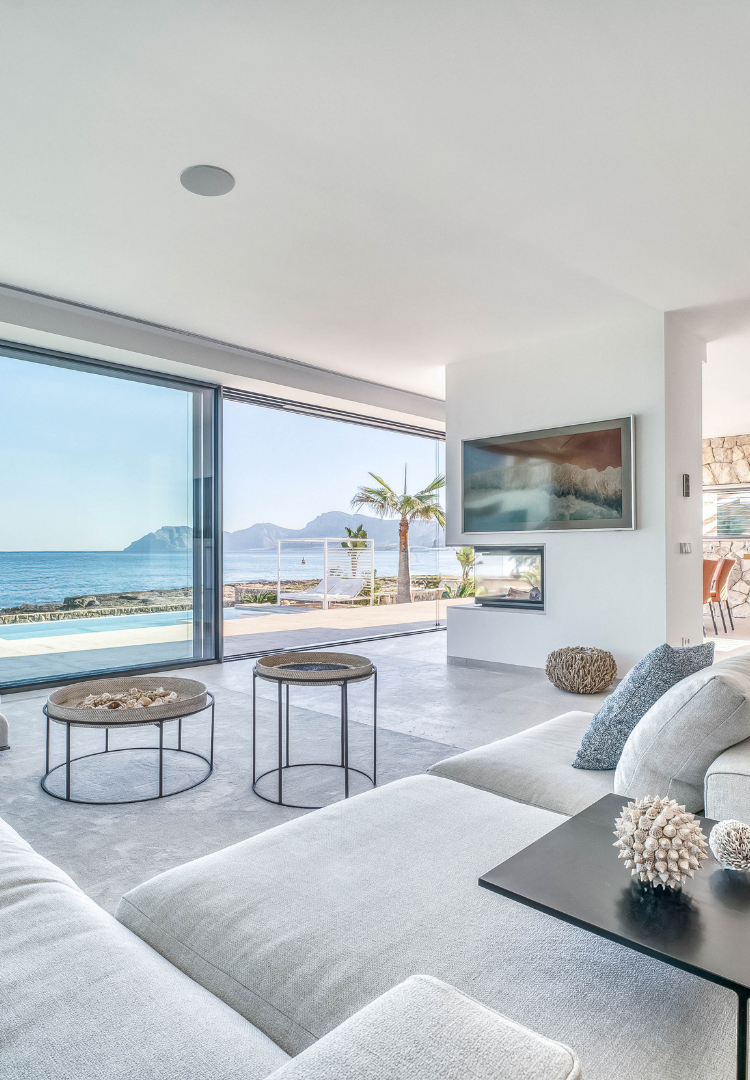
Sliding doors coastal

Design inspiration: floor-to-ceiling sliding doors for modern extensions

From maximising living space and filling interiors with natural light to creating a better connection with the outdoors, a modern extension can bring many benefits to a home. If you’re looking for a way to ensure your home exudes space, light and style, floor-to-ceiling sliding doors can provide the perfect finishing touch.

Floor-to-ceiling sliding doors are ideal for all types of home extensions, from heritage properties to more recently built homes. They provide clear views to the outdoors, while helping to maximise internal space and natural light. Homeowners and designers often choose sliding doors over traditional options, such as French doors, due to their more contemporary appearance, slim sightlines and minimalist aesthetic.

Many architectural sliding doors, such as Solarlux cero, Ecoline S and Highline S, also offer excellent thermal performance, acoustic insulation, security and weather resistance. The result is high-performance glazing that looks impressive and also delivers comfort and peace of mind throughout the year.
Design inspiration for floor-to-ceiling sliding doors in modern extensions


With their striking aesthetics and near-seamless connection with the outdoors, floor-to-ceiling sliding doors can transform the look and feel of a home extension. Sliding door panels can be manufactured in sizes up to 6m high with panel sizes of up to 15m², creating large spans of uninterrupted glazing that maximise transparency.

Justin Spires, technical lead at Solarlux, says this can enhance the sense of space and provide uninterrupted views of the outdoors. “Whether opening a living room onto a compact city patio, bringing light into a home office with a garden view or creating a kitchen extension that overlooks the local countryside, sliding doors help blur the boundary between indoors and out.”

One of the benefits of architectural sliding doors is their minimalist frames, or the option of an all-glass design with no visible framing. “By reducing or eliminating the visible framing, you can increase the glazed area, allowing natural light to fill the space and making the extension feel brighter and more open,” Justin notes.

When it comes to finishes, the frame material and colour can play an important role in the overall aesthetic. Solarlux sliding glass doors can be provided with aluminium or timber framing, or a combination of both. For aluminium frames, a selection of 30 standard RAL colours are available, alongside an extended range of additional colour options upon request - allowing you to tailor the design to complement your home and its surroundings perfectly.

The right colour choice will depend on your home and preferences. Justin recommends: “Darker shades, such as grey or black, can be used to create a bold, contemporary appearance. Lighter colours such as white, cream or brown can provide a softer appearance.”

Finishing details, such as handle designs, can also enhance the appearance of a modern extension. For example, integrated handles and flush hardware create a clean, architectural look.

What are the practical benefits of sliding doors for homeowners?

While appearance is a major consideration in sliding glass door design, functionality and ease of use should also be taken into account.

  • Flush thresholds – A flush threshold helps to create a visually seamless transition between indoors and outdoors. It also smooths the physical transition for users, as there’s no threshold to step over. This can make the indoor/outdoor space feel more cohesive – perfect for entertaining. It can also reduce trip hazards and improve accessibility for wheelchair users or people with reduced mobility.
  • Ease of operation – Sliding glass doors are large spans of glass and can, therefore, be very heavy. Smooth gliding runners are essential for effortless day-to-day operation. Automated doors are another option, which can be opened or closed with the simple push of a switch
  • Thermal comfort and energy efficiency – When carefully designed, manufactured and installed, floor-to-ceiling sliding doors can provide excellent thermal performance, helping to limit heat loss and supporting compliance with energy-efficiency requirements such as Approved Document L and the Future Homes Standard. Solarlux’s range of sliding glass doors can provide U-values as low as 0.8 W/m²K.
  • Weather resistance – Sliding glass doors should provide adequate resistance to wind loading, with reinforcement to prevent horizontal deflection as required by the local weather conditions. Resistance to water ingress is also an important consideration. Solarlux’s range of floor-to-ceiling sliding glass doors is precision-engineered to suit project requirements. Cero III, for instance, can achieve wind resistance of up to C5 and water tightness of 9A, making them suitable for coastal locations, exposed countryside installations and high-rise apartments.
  • Security – Sliding glass doors can provide a high level of security. For most residential applications, they will need to meet the requirements of PAS 24, while Secured by Design accreditation may also be specified. Solarlux sliding glass doors can be designed to achieve not only PAS24 but, resistance class RC2 for resistance to opportunistic intrusion and RC3 for resistance to deliberate attack.
  • Maintenance – Sliding glass doors typically require minimal maintenance. Cleaning should be carried out regularly to ensure all seals and runners are free from debris. This will help to ensure effortless operation and continued thermal and weather performance.
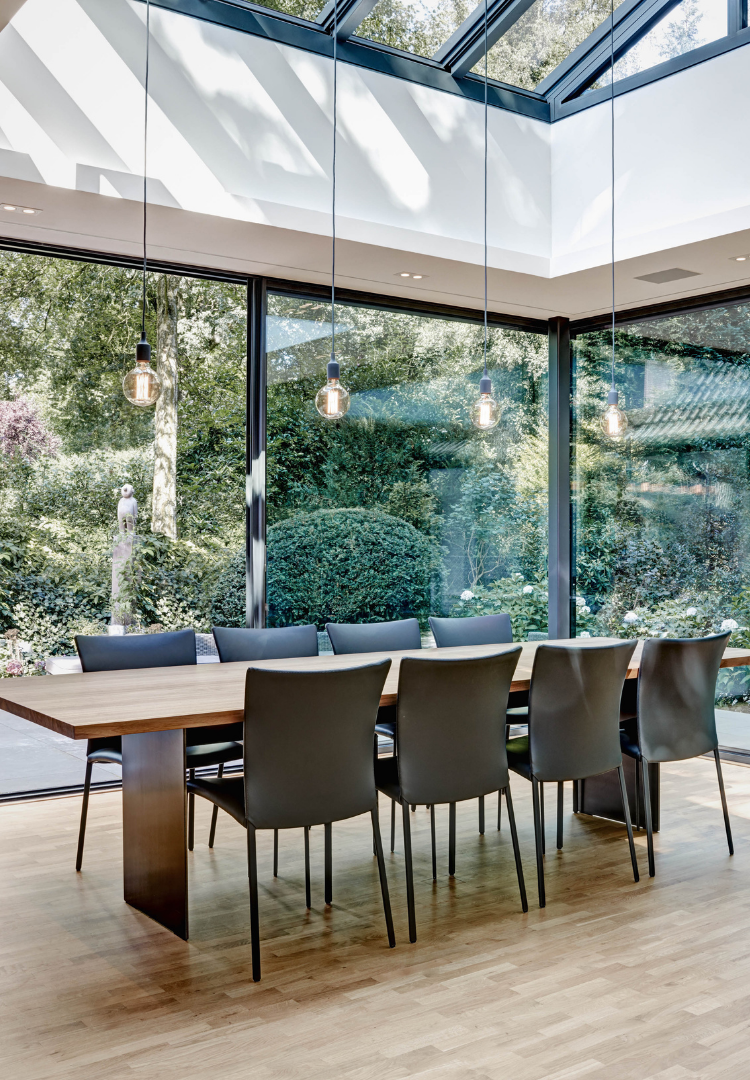
Sliding doors dining room

What are the planning considerations for sliding doors on modern extensions?

While sliding doors do not usually require planning permission, they can play an important role in the planning process as a defining feature of a modern extension. Therefore, the right sliding glass doors can help strengthen a planning application by ensuring the extension meets any necessary requirements.

Justin gives some examples: “Slim-framed sliding doors can help create a clean, contemporary aesthetic that complements modern extension design. Meanwhile, on heritage homes or homes in conservation areas, frame colour, sightlines and proportions should be carefully chosen so that the glazed addition coordinates with the original architecture.”

Large expanses of glazing should also be considered in relation to neighbouring properties, as privacy and light pollution can affect planning decisions. For this reason, the position and scale of the sliding doors should be carefully coordinated with the rest of the extension.

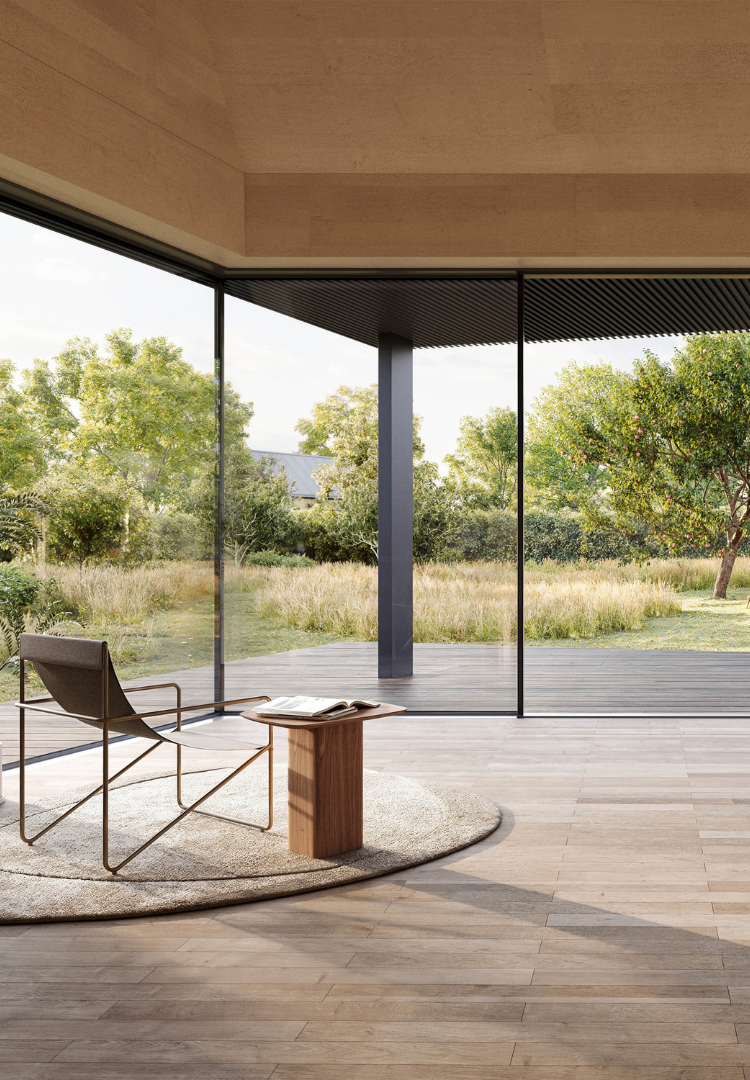
Sliding doors cero large panels

Bringing your extension design vision to life with sliding doors

When specifying sliding doors for a modern extension, the right system should support your design vision, complement the home's architecture and meet any practical requirements.

Here’s a checklist of specification considerations to help you ensure the sliding glass doors meet all aesthetic and practical requirements:

  • Architectural style: Does the frame design suit the character of the property?
  • Frame material and finish: Which material best suits the project requirement – aluminium, timber or a combination? Do the frame colour and finish coordinate with exterior materials, internal decor and landscaping?
  • Panel size and span: How much glazing is needed to maximise views and natural light?
  • Threshold design: Is a flush threshold required to create a seamless transition between inside and outside?
  • Thermal and acoustic performance: Will the system support year-round comfort, energy efficiency and noise reduction?
  • Privacy and orientation: How do the doors relate to neighbouring properties, sunlight and garden layout?

One of the key advantages of modern sliding door systems is their flexibility. “Working with a specialist partner can be particularly useful in determining the ideal configuration for each project – from frame finishes and glazing performance to threshold details and opening configurations,” Justin notes.

“Visiting a showroom, browsing online galleries and exploring a manufacturer’s case studies can also provide useful inspiration,” he adds.

For example, Solarlux provided a cero III sliding door system as part of an extension to a heritage farmhouse in Wiltshire. The floor-to-ceiling sliding doors, combined with an open-corner design, created a contemporary glass extension, perfect for a light-filled kitchen and entertaining space that connected seamlessly with the garden.

For more inspiration, discover how Solarlux floor-to-ceiling sliding doors can transform modern extensions into light-filled living spaces. Explore the cero, Ecoline and Highline ranges, download our homeowner’s guide or speak to our team about bringing your design vision to life.

Get in touch
To learn more, you can explore our range of sliding doors. Or contact a member of our team for expert guidance on your next project.