Can sliding doors be part of a low-energy Passivhaus design?
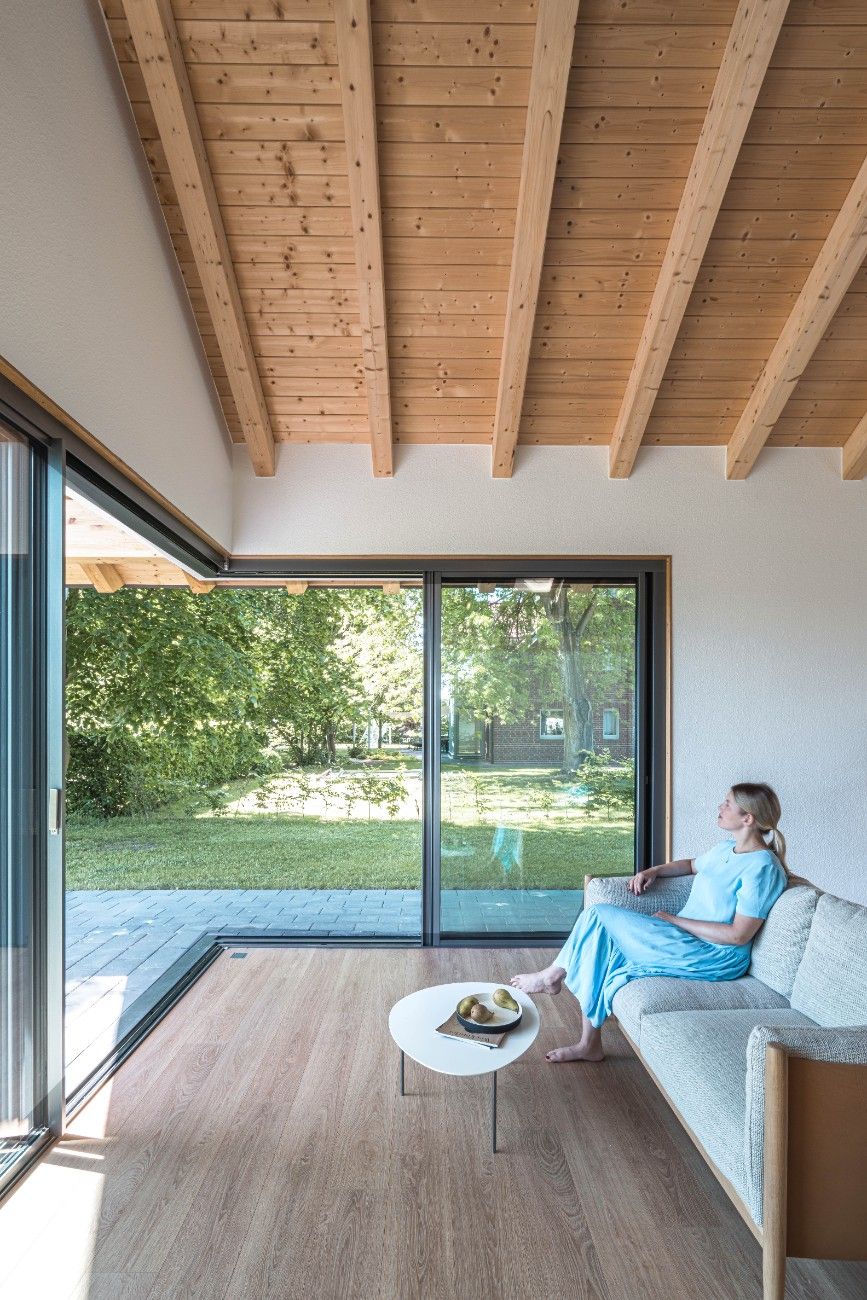
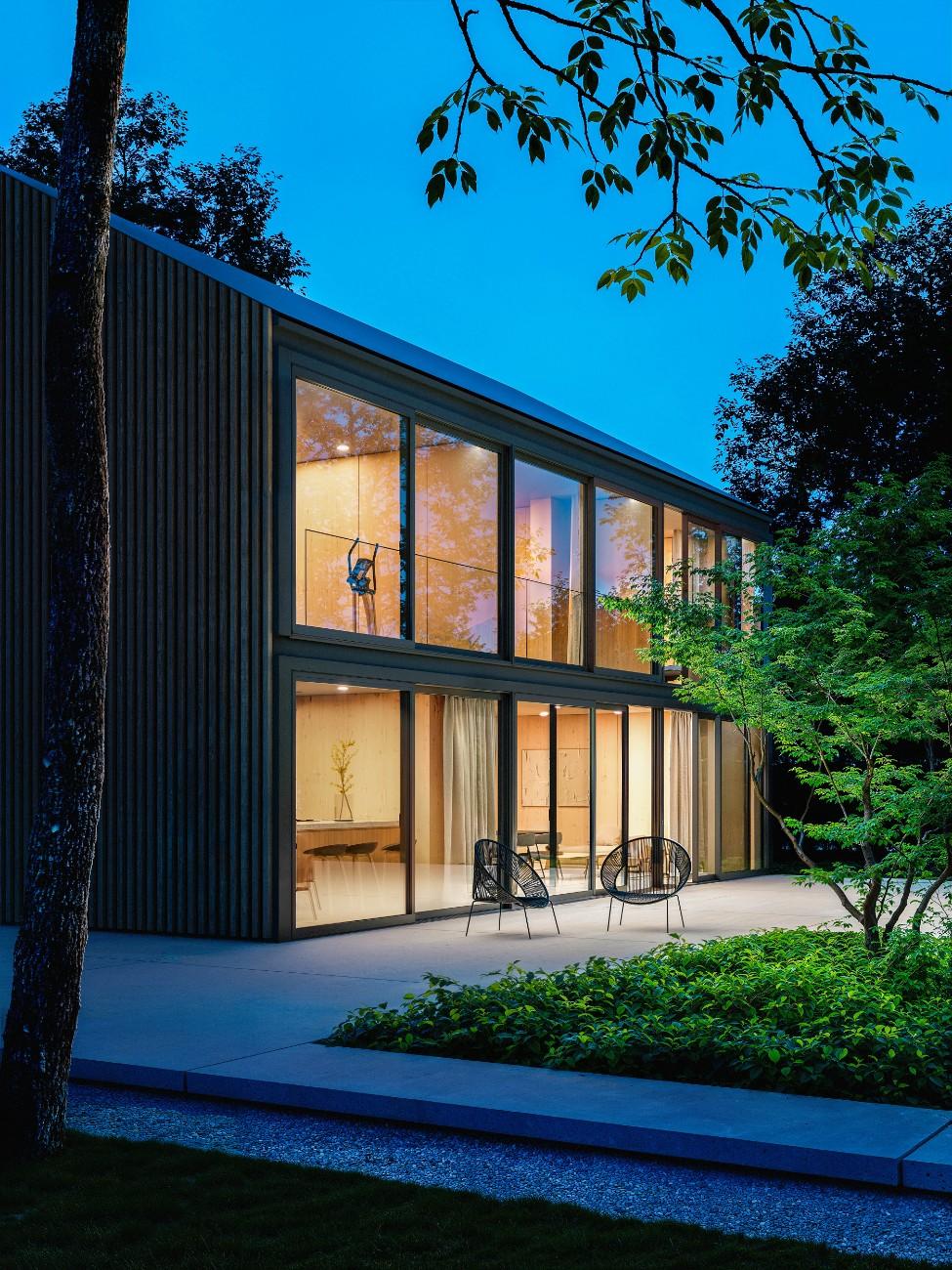
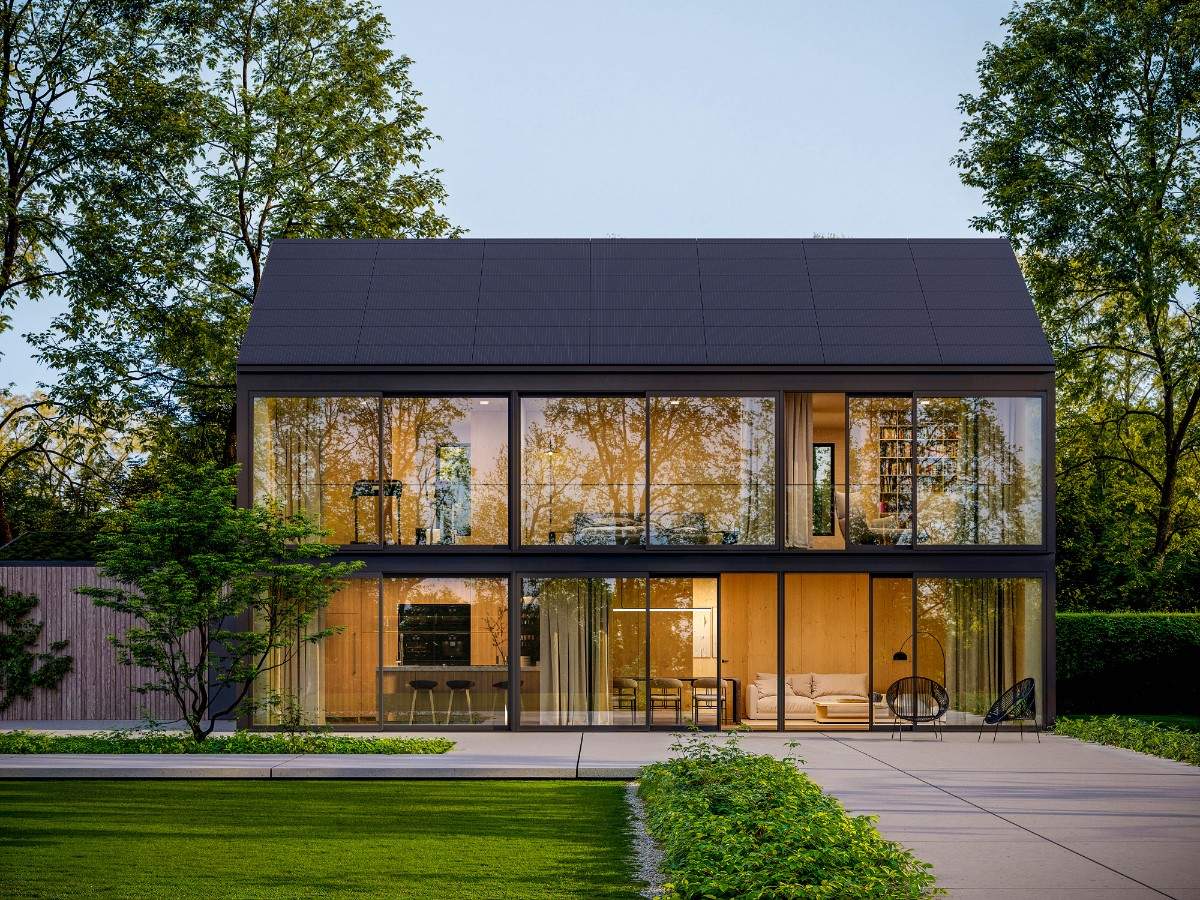
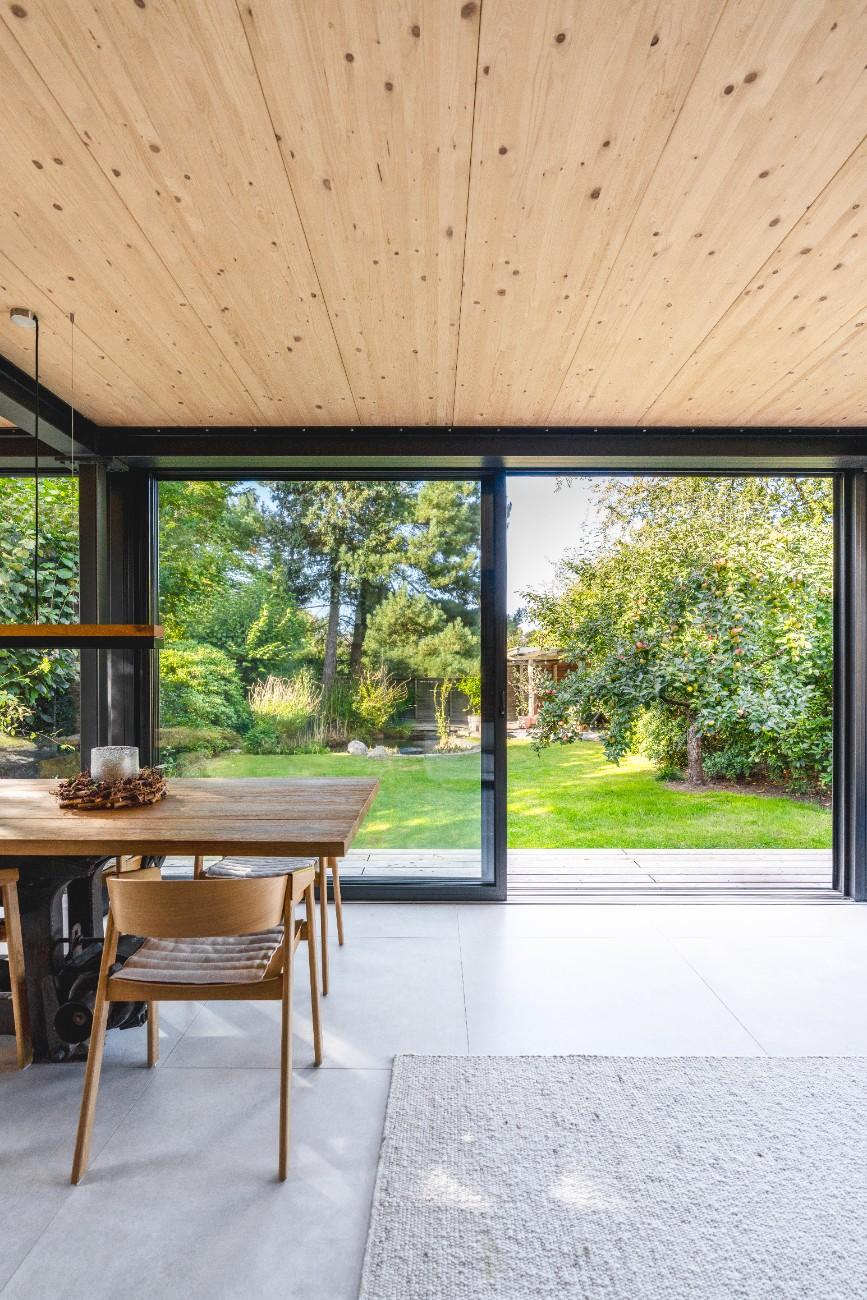
In the current architectural landscape, large areas of glazing are a defining feature of contemporary design. Sliding doors, bifold doors and expansive glazed openings maximise natural light. They create a sense of space, and they strengthen the connection between indoor and outdoor environments.
This raises an important question: does increasing the proportion of glazing come at the expense of thermal performance? As energy standards become more demanding – from Approved Document L and the Future Homes Standard (which was released on 24 March 2026) to Passivhaus requirements – how can highly glazed buildings realistically meet them?
Traditionally, energy efficiency has depended on heavily insulated walls with relatively small windows to achieve low U-values and air tightness – but that’s no longer the case.
When treated as a high-performance system, precision-engineered sliding doors can enhance the thermal envelope while also providing the coveted glazed aesthetic and a connection to nature. With the right specification, even extensively glazed buildings can achieve the performance levels required for Passivhaus.