Bifold doors vs sliding doors: which is best for modern living?
Impact resistance glass door testing

Bifold doors vs sliding doors: which is best for modern living?

Sliding doors and bifold doors add a sense of light, space and style, making them popular features of contemporary homes. But which one is right for your property? The answer depends on your aesthetic preferences, as well as practical considerations such as available space, opening configuration and how you want the doors to operate. In this blog, we’ll discuss the key differences and similarities between bifold doors and sliding doors to help you decide which is the best fit for your home.

Bifold patio doors open

Why glazed doors matter in contemporary homes

On a beautiful summer evening, there’s nothing quite like opening up your home to enjoy the fresh air and warm breeze – making sliding doors and bifold doors perfect for dinner alfresco with the family or entertaining friends. And when the weather’s not so hospitable, the right panoramic glazing system can still make your interior feel open and connected to the great outdoors. They fill the indoor space with natural light and allow gardens and views to be enjoyed, even on the coldest of winter days.

While sliding doors and bifold doors are often seen as features of modern living, these systems have been used for thousands of years. In Japan, paper-covered sliding panels provided space-saving elegance, while ancient Romans used timber and bronze folding doors to create flexible spaces.

Over time, the materials and design of sliding doors and bifold doors have evolved. Today, both options can be high-performance architectural glazing systems that combine contemporary aesthetics with practical benefits, including thermal efficiency, security, structural stability and smooth operation.

What are bifold and sliding doors, and how do they work?

Before we go any further, let’s define what bifold and sliding doors are, and briefly discuss how they work.

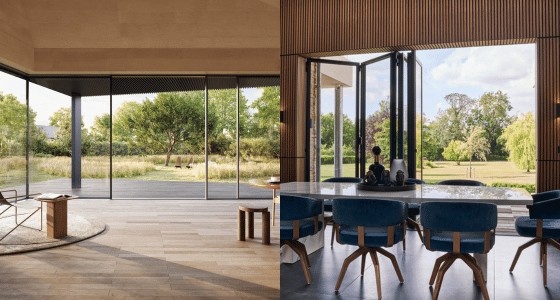
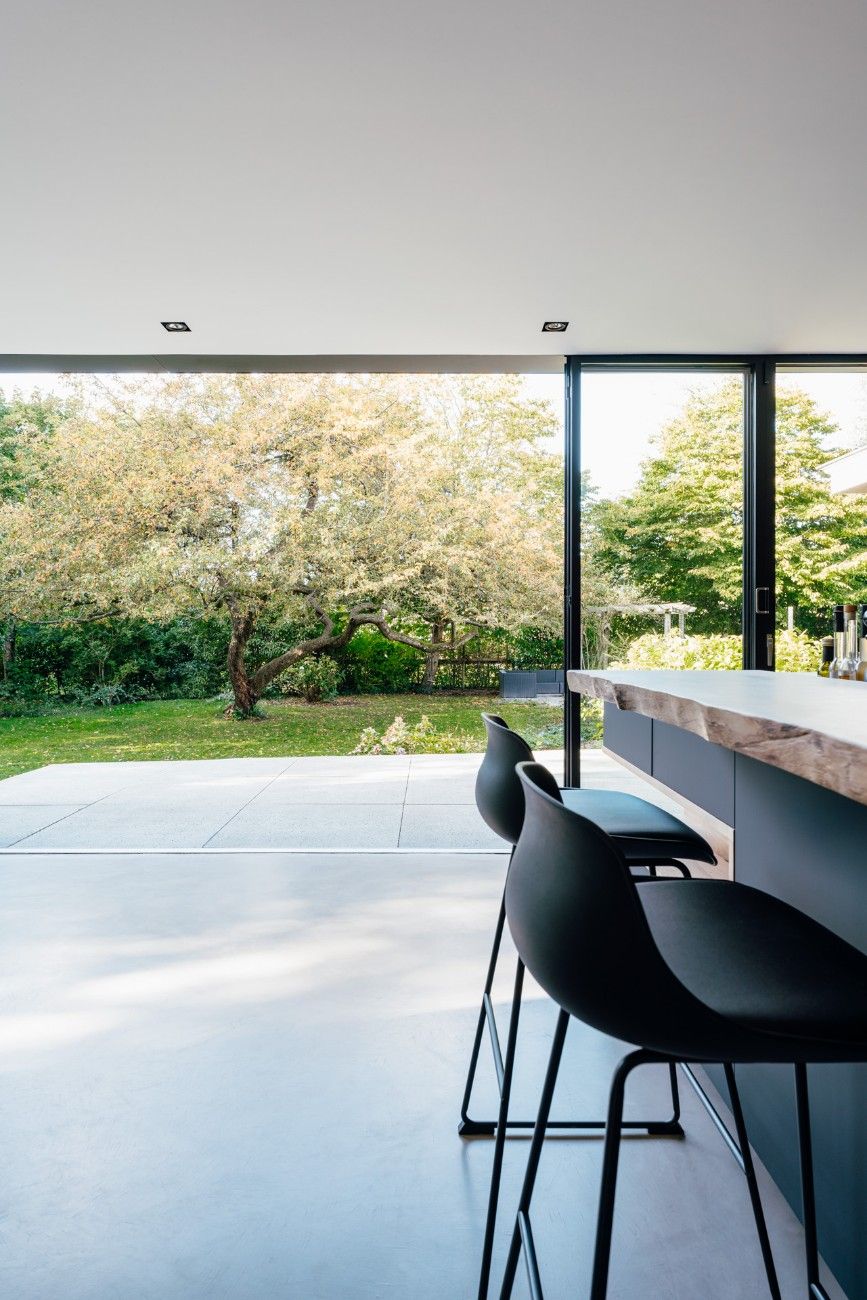
Both bifold doors and sliding doors are glazed systems designed to fill a wall with glass, providing external views and natural light. They create a bright, open aesthetic that is highly sought after in modern architecture.

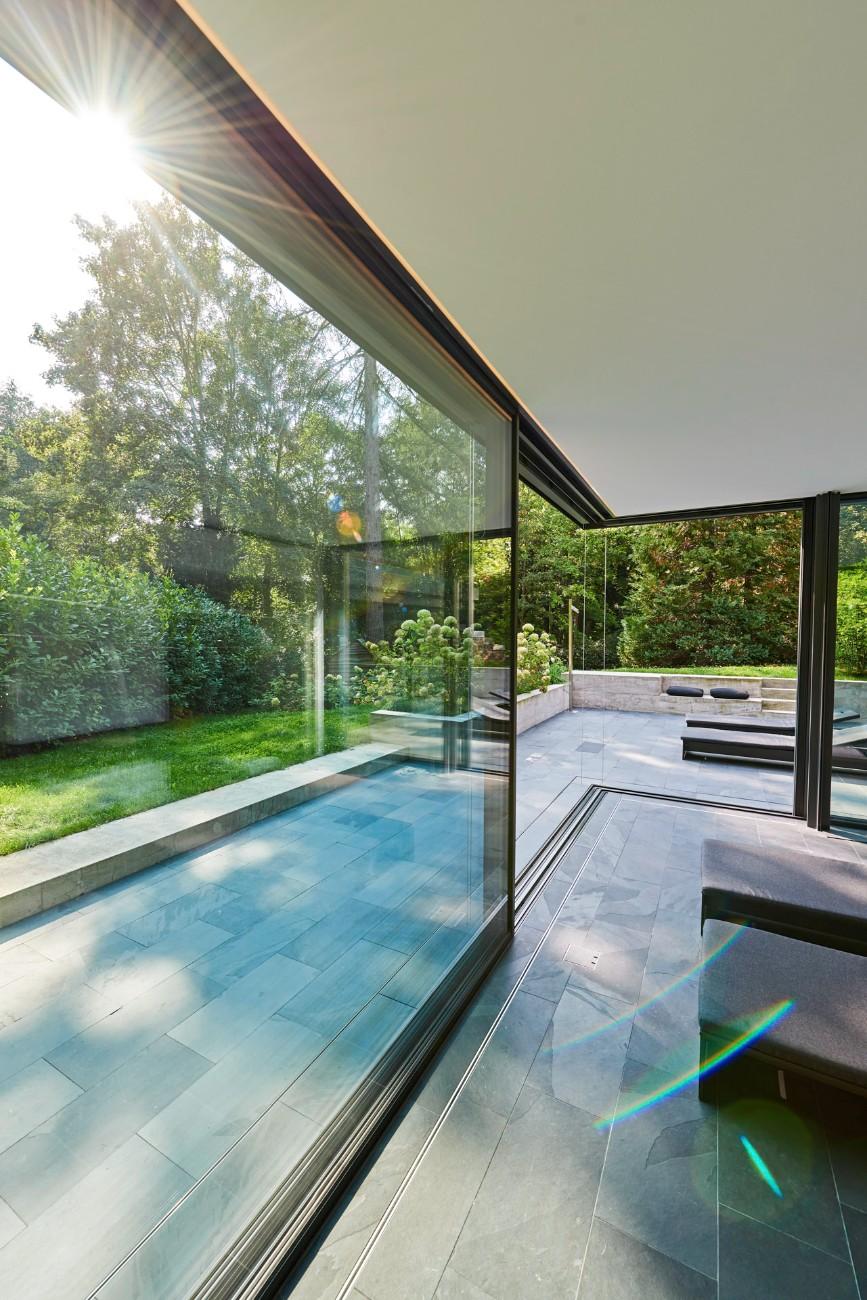
Both systems are also designed to open up a wide aperture, creating a seamless transition between indoors and outdoors. They are often used to connect family areas such as living rooms or dining rooms to gardens and patios, providing a true sense of indoor/outdoor living.

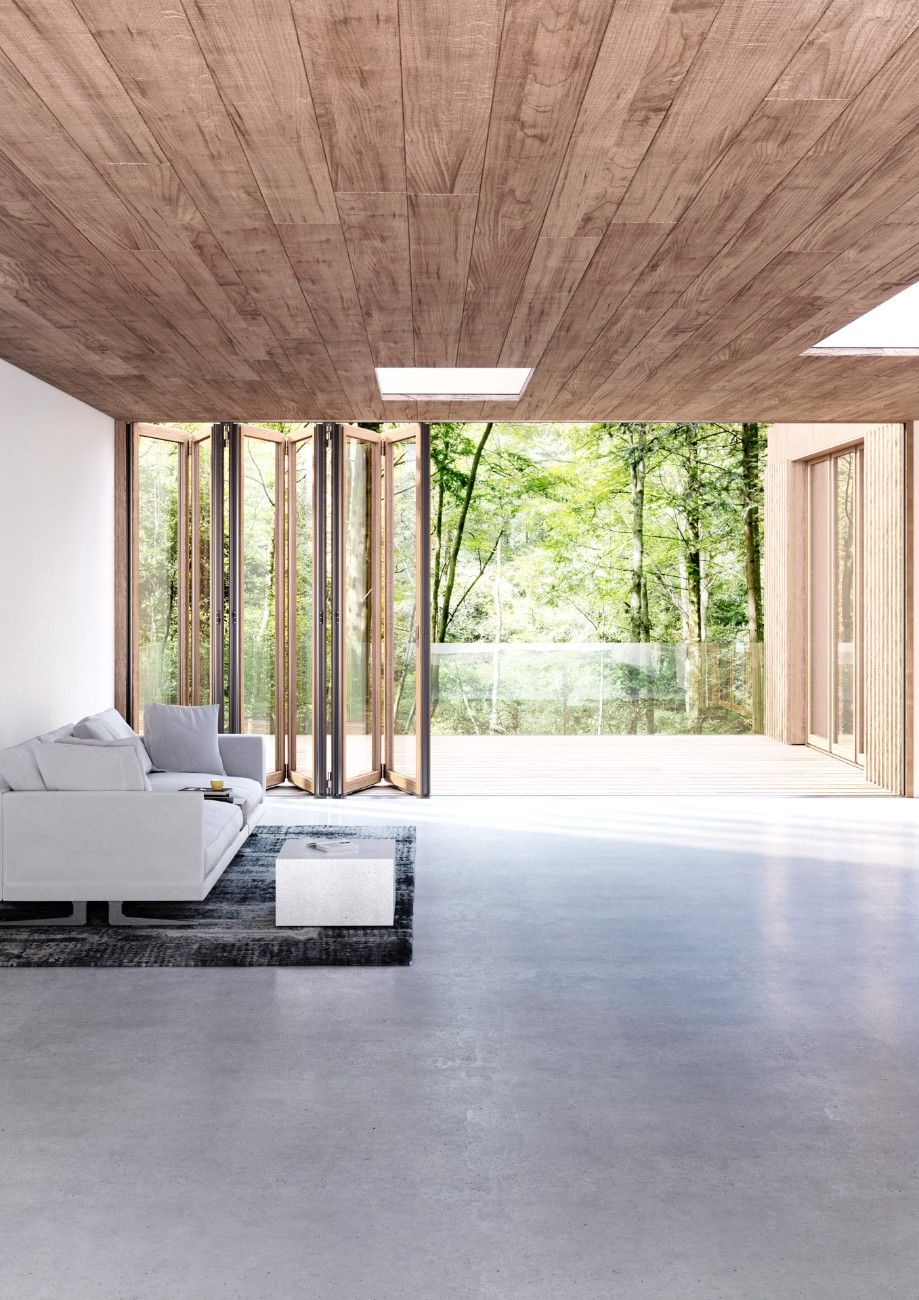
What’s the difference between the two systems? “It’s primarily the way that sliding doors and bifold doors open that differentiates them,” notes Justin Spires, technical lead at Solarlux. “Bifold doors are hinged glass panels that fold back concertina-style to create a ‘stack’ of panels on one or both sides of the door aperture,” he explains. “Sliding doors, on the other hand, are large glass panels that glide on a track. One panel usually slides behind the other, although it may also slide into a recessed ‘pocket’ in the wall, so that it completely disappears when open.”
Why choose bifold doors or sliding doors for your home?

While the differences between sliding and bifold doors can be significant (we’ll discuss them below), in key areas such as thermal efficiency, weather resistance and security, the two types of glazing systems can deliver similar results, supporting compliance with local building regulations and standards.

  • Thermal and weather performance: Bifold doors and sliding doors can both achieve excellent thermal performance. Solarlux systems offer U-values as low as 0.8 W/m²K, good airtightness and a choice of single-, double- or triple-glazing. With the right specification, they can achieve Passivhaus-compatible performance.
  • Acoustic performance: Solarlux bifolding doors can achieve a sound reduction of up to Rw 51dB, helping to keep out exterior noise when closed.
  • Security: Solarlux doors are designed to meet PAS 24 requirements and are certified by Secured by Design (SBD). Depending on requirements, they can meet Class RC2 standards for resistance against opportunistic intrusion or Class RC3 against deliberate attack.
  • Weather resistance: Bifold doors and Sliding doors are designed to keep out wind, rain and draughts. Solarlux doors feature high-quality seals and built-in drainage to protect against the British weather.
  • Structural performance: Solarlux glazing systems are designed to withstand static loads and wind loads. Bespoke designs provide flexibility in the choice of track design, thresholds, glazing and built-in support systems to prevent deflection, ensuring long-term durability and ease of operation.
  • Accessibility: Flush thresholds create a seamless transition between indoors and outdoors, and provide access for all users, including those with limited mobility. Bifold systems can be designed with optional traffic doors for easy, everyday access without having to open the full system.
  • Sustainability: Because they are primarily made of glass, sliding doors and bifold doors can be easily recycled at the end of their working life, as can the aluminium profiles. Timber profiles are also available and can be made from FSC® and PEFC-certified materials.
Sliding and bifold difference

What are the differences between sliding and bifold doors?

So, how do you choose between bifold doors and sliding doors? While both systems share many features and benefits, there are important differences that set them apart, and it’s these differences that can help you decide which option will work best for your space, lifestyle and design preferences.

Comparing sliding and bifold doors: Performance and comfort

When it comes to thermal performance and occupant comfort, both bifold and sliding doors can deliver excellent results, but some details may influence your choice.

  • Thermal and energy performance – Both options offer excellent thermal resistance, with Solarlux bifold doors and sliding doors able to achieve U-values as low as 0.8W/m²K. Since sliding doors often feature slimmer frames and fewer joints, they can more easily meet higher levels of energy efficiency. However, bifold doors can also be specified with advanced glazing and precision-engineered frames to support thermal performance and compliance.
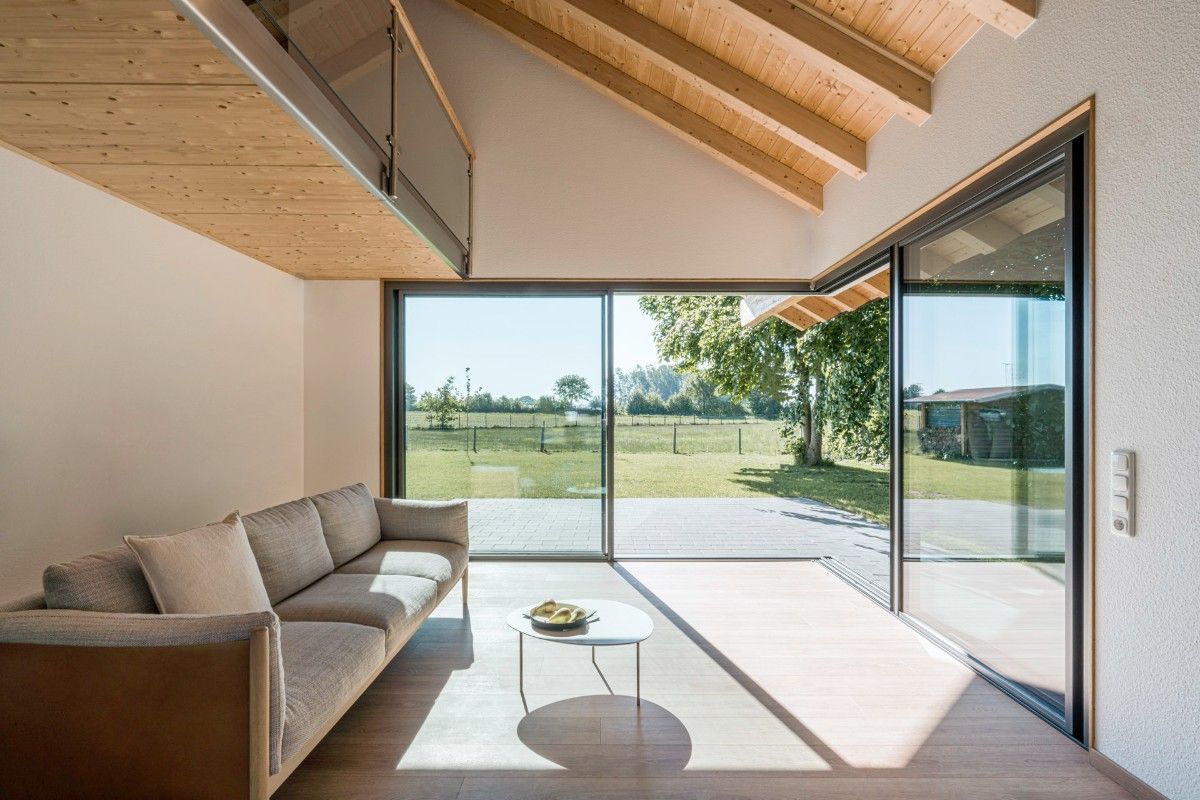
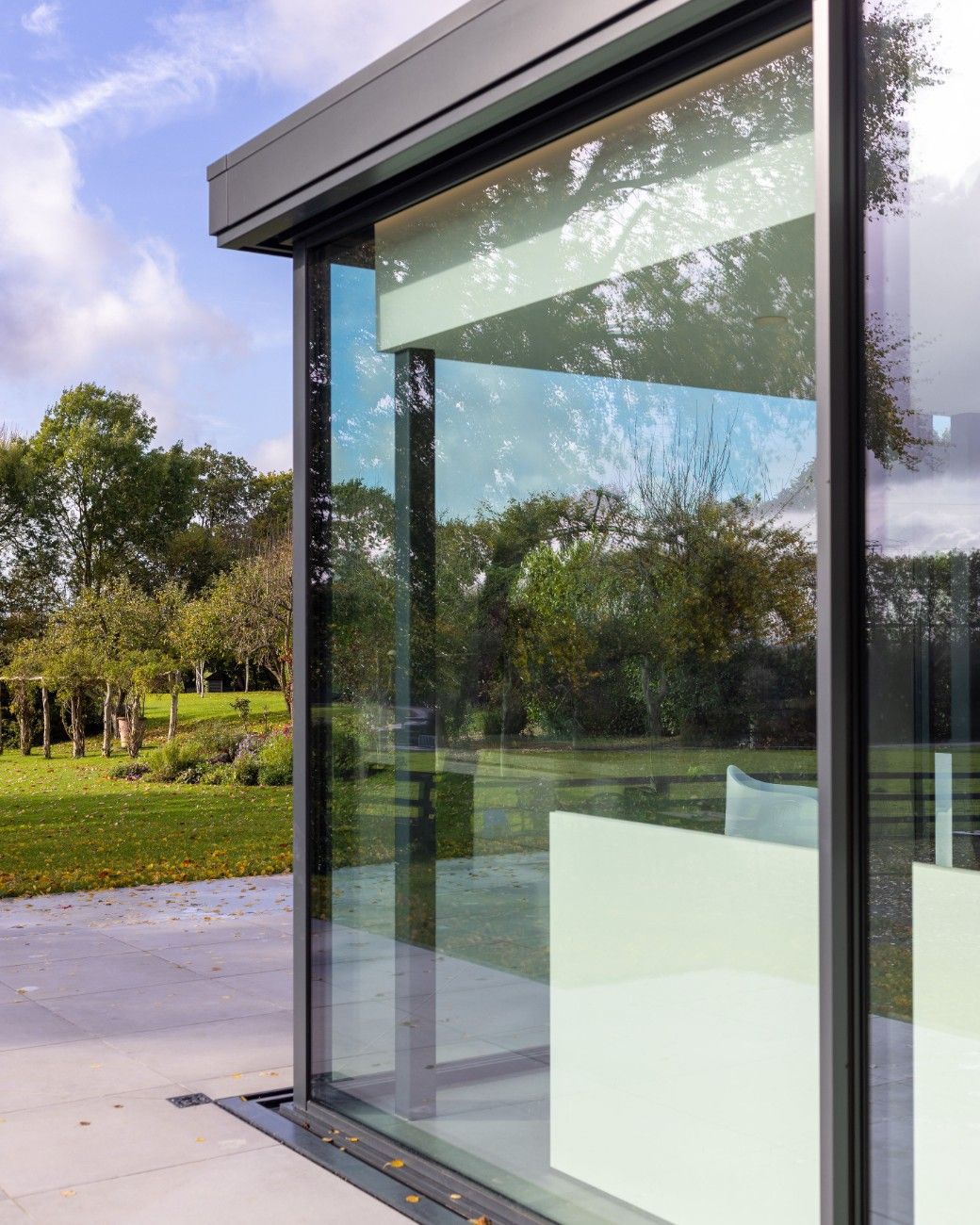
  • Natural light and views – With minimal framing, sliding doors provide better sightlines, with less framing interrupting incoming sunlight and views. Bifolds, however, can open much wider to create a better connection between indoors and outdoors.

Comparing sliding and bifold doors: Everyday use and practicality

With precision engineering and expert installation, both sliding doors and bifold doors provide smooth, reliable operation, but the main difference is how they operate, and the amount of space required.

  • Operation – Sliding doors glide effortlessly along precision tracks and can be automated for simple push-button control. Bifold doors are also easy to open, but automation is much more complex, so they are almost always manually operated within the domestic market.
  • Openings – Bifold doors can create up to a 90% opening in the wall, but placement of the stack must be considered. Sliding doors typically open around 50–60% of an aperture.
Sliding doors benefits wide aperture

Comparing sliding and bifold doors: Design and aesthetic impact

When considering the design and aesthetic impact of sliding doors and bifold doors, space constraints and personal preferences are the primary factors that will affect your choice.

  • Frames and sightlines – Sliding doors typically have slimmer frames and a more minimalist look. Bifold doors feature multiple panels that fold, creating dynamic movement and architectural interest.
  • Visual effect, closed vs open – Because sliding doors provide a continuous glass wall when shut, they are ideal for modern interiors that prioritise uninterrupted glazing and clean lines. Bifold doors open up a space almost completely, although they have framing, creating a slightly more panelled look when closed.

Comparing sliding and bifold doors: Bespoke design and logistics

Both systems can be tailored with premium glazing, bespoke frame finishes and hardware upgrades, providing a fully bespoke glazed door system.

For very large, glazed panels – particularly for sliding doors – transport and handling must be carefully planned to ensure the safety of the panels and the installation teams. Because bifold doors typically have smaller panels that are easier to move around, logistics may be less complex.

Bifold doors or sliding doors: Which to choose?

Both bifold and sliding doors are excellent ways to bring light, space and style into your home. They enhance indoor-outdoor living, fill rooms with natural light, improve space flow and offer thermal performance and security. In recent years, both systems have evolved to meet modern architectural and sustainability goals, combining sleek aesthetics with precision engineering and high-performance glazing.

Choosing between them comes down to how you plan to use your space and what you value most in daily life.

  Bifold Doors Sliding Doors
Aperture access Up to 90% 50–60% (more with a pocket slider)
Views and sightlines More framing Minimal framing
Space impact Panel stacking space required Space required for the sliding panel
Ease of use Manual folding; complex automation Smooth gliding; straightforward automation
Thermal performance U-values as low as 0.8W/m²K with precision engineering and installation U-values as low as 0.8W/m²K. Fewer joints means less opportunity for thermal bridging
Wind resistance Up to B4 Up to C5, depending on configuration
Maximum panel size Width: 1.5m; Height: 4.5m Widths: 5m; Height 6.5m (up to 15m2)
Maintenance Regular cleaning of tracks. Access for maintenance and repairs may be easier due to the turning motion of the panels Regular cleaning of tracks. Access for maintenance and repairs may be more complex


Benefits of bifold doors:

  • Seamless indoor-outdoor flow – Perfect for entertaining and connecting living spaces to gardens, patios or terraces.
  • Maximised opening – Panels fold fully to one side, creating a wide, uninterrupted connection to the outdoors.
  • Customisable configurations – Multiple panels allow flexibility in size, layout and the option to include a traffic door for everyday access.
  • Versatility – Suitable for small or large openings, corner units or angled layouts, with no pocket or recess required.
Benefits of bifold doors
Benefits of sliding doors

Benefits of sliding doors:

  • Ease of use – Smooth operation and can be automated.
  • Space-saving – Sliding panels glide along a track, requiring no stacking space, ideal for compact areas.
  • Large glass panels – Slim sightlines offer uninterrupted views and maximise natural light.


“Ultimately, both bifold and sliding doors offer high-performance solutions,” explains Justin. “The right choice depends on your project goals, how you use your space and the aesthetic you want to achieve,” he adds. Whether you choose the full, dramatic opening of a bifold door or the minimalist elegance of a sliding door, either option will transform your home while delivering comfort, style and practicality.

Solarlux systems provide premium bifold doors and sliding doors with wide sizing options, bespoke configurations and precision engineering to meet the demands of modern living. With outstanding thermal performance, structural quality and attention to detail, Solarlux doors are designed to perform beautifully while enhancing your home’s appearance, both inside and out.

To explore the possibilities for your home, browse the full Solarlux product range to see our bifold and sliding doors or contact a Solarlux expert to discuss your project.

Get in touch
To learn more, you can explore our range of bifold and sliding doors. Or contact a member of our team for expert guidance on your next project.