Interview Thomas Auer – Low Tech
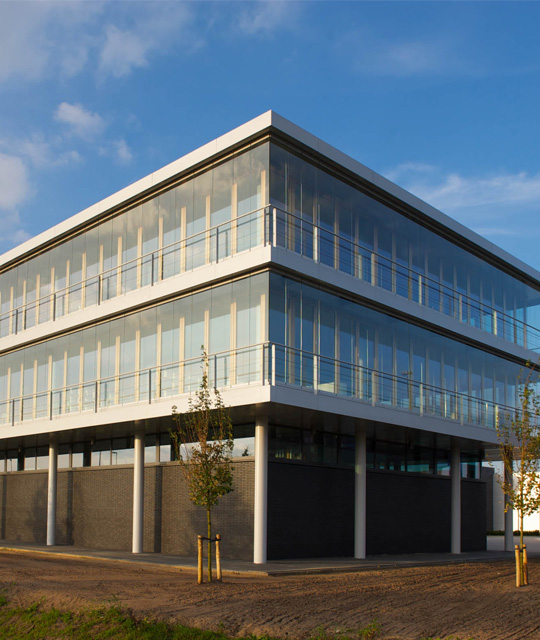
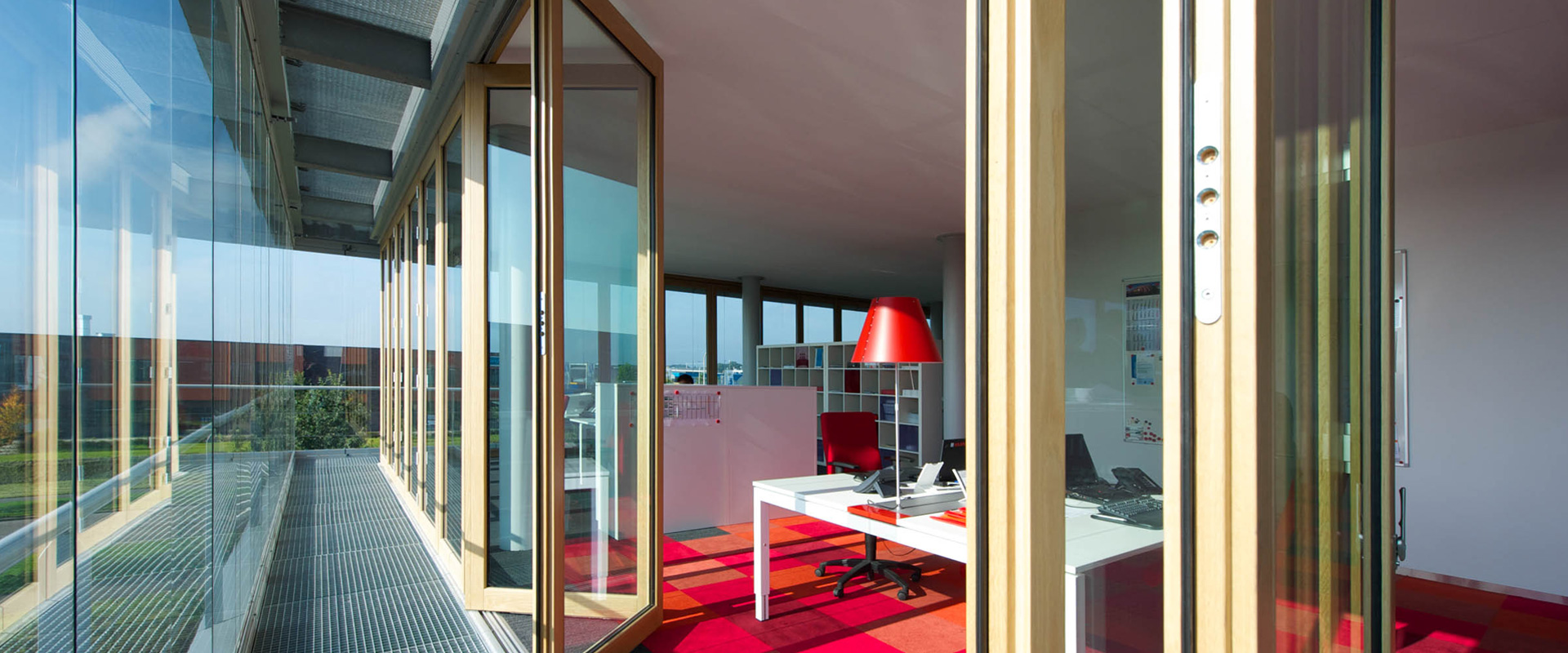
Bild von einem Solarlux Büro in Niederlande

Low tech – Putting the function back in architecture

Construction is getting more complex all the time. Or is it? While it’s true that expectations are high in terms of comfort, environmental protection and design, the answers to such problems are increasingly proving to be astoundingly simple. It is not uncommon to take inspiration from centuries-old building traditions that have been cooling, heating and ventilating people’s homes for generations in every corner of the world. This school of planning and construction has been christened “low-tech”. But what is the philosophy behind it, and can it really be used to solve the challenges of our time? We spoke to Thomas Auer, professor of building technology and climate-friendly construction.

Interview

Prof. Thomas Auer

Low-tech buildings are not just about building technology. What does this concept mean to you?

Thomas Auer
Thomas Auer

“I have a hard time with the term “low tech”. The question is, what else can components that are important in terms of comfort – such as the building's shell – do so that as little as possible needs to be controlled using the building technology? As a simple example: if I have a well-insulated shell, I won’t have to use the heating as much. We can apply this approach to every function of the building: cooling, ventilation – all the parameters for comfort, in fact.

Rather than “low-tech”, I prefer to talk about buildings being robust. How can we increase robustness in order to make buildings that are intrinsically functional, and only need injections of technological assistance at specific points? Buildings that are intuitive, and don’t contain layers that will fail or develop mould in 15–20 years’ time? The aim is to make robustness a bigger part of how we think and plan.”
Many aspects of low-tech architecture are determined in response to the underlying construction conditions. However, many architects prefer to plan independently. What would you say in response?

Blick auf das
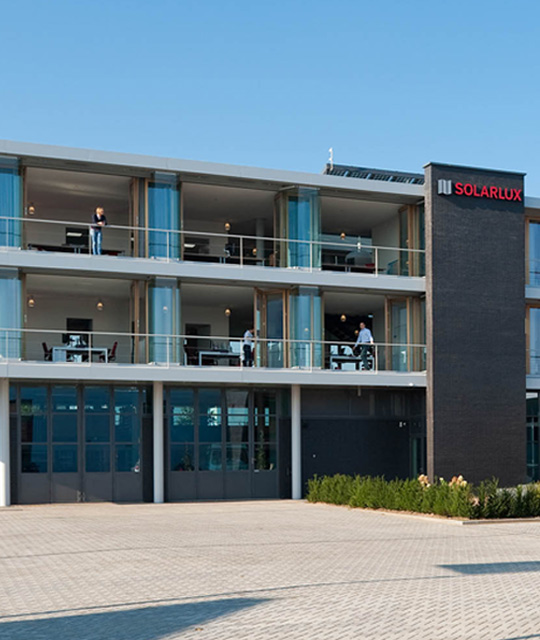
Solarlux Gebäude in Niederlande
Blick auf das
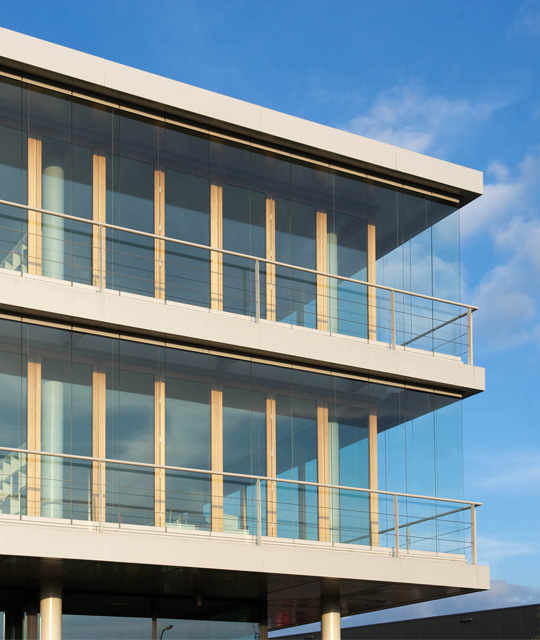
Solarlux Gebäude in Niederlande

“Good question. Generally, we work with architects who are open to dialogue. However, sometimes we need to find solutions for something that doesn’t actually work. 

Several years ago, we had the honour of working on Bangkok’s airport with Helmut Jahn. Helmut had come up with a membrane structure that meant the building would get incredibly hot when the sun beat down on it. We looked at this and had to come up with a way of structuring the membrane so it would fulfil its purpose in terms of thermal performance, energy efficiency and comfort. In the end, the result became a new product.”

Doesn’t user-managed climate control come with limitations? What about buildings with high visitor numbers, for example?
Foto vom Solarlux Gebäude in Niederlande

“Well, we’ve got nothing against building technology. However, we know from scientific studies that users value air that is let into a rooms through windows more highly than what comes through a ventilation duct. As a trade-off for this, users of naturally ventilated buildings accept the downside of more pronounced fluctuations in terms of temperature and humidity.

What we always ask ourselves is, how can we provide the basics using simple, passive systems that users will appreciate? We then add technology to help out wherever it’s needed. The technical building equipment is always designed to handle the extremes – the coldest day of the year and the hottest. What we’re interested in are the other 363 days of the year.”

One term that’s often brought up in conversations about low-tech concepts is “adaptive buildings”. Can you explain what these are?
Außenansicht des Solarlux Gebäudes in Niederlande

“First and foremost, adaptive buildings are buildings that can adapt to changes in their usage conditions, such as changes in environmental conditions. For example, they might make use of the changes in climate over the course of the year, or even a single day.

One great example of this is the Solarlux building in the Netherlands, with its two-layer Co2mfort facade. It’s so intuitive that the user understands it immediately. For example, if only the outside single glazing is closed on a cooler summer night, the building will be cooled down not just by the air circulation, but also by the transmission heat loss. Accordingly, we adjust the thermal transmission coefficient.”

Webinar with Prof. Thomas Auer

Prof. Thomas Auer introduced the low-tech principle as part of our online seminar series “Sharing Experience”.